Heritage travel with the context left in. Which sites reward a full day, how timed entry and restoration work affect a visit, what the ticket really includes, and the nearby towns worth staying in rather than commuting from.
Reading a site before you arrive
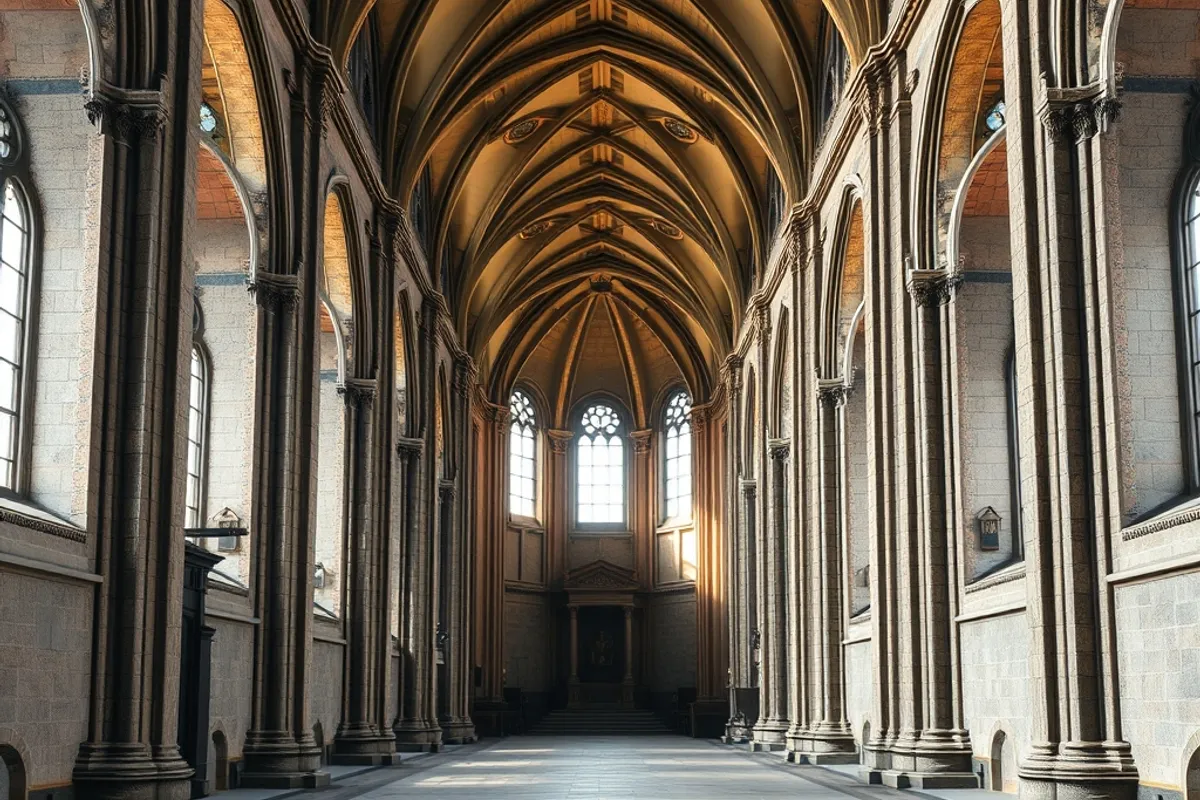
A heritage site is not a photo backdrop. The story lives in the layers: the original use, the rebuild, the period the guides skip and the reason the place survived at all. We read the official conservation notes and the local history before we book, then match the visit to the part of the site that is actually open. A cathedral with scaffolding can still be worth the trip if the crypt and the cloister are clear.
Timed entry, closures and restoration
Many major sites now sell timed slots online and release a small number on the day. We check the official ticket page rather than a reseller, note the last entry time and confirm which rooms or wings are closed for restoration. A half-closed palace is still a fair visit, but the price should reflect it. We also plan one flexible afternoon, because conservation closures are rarely announced far ahead.
Staying nearby, not commuting
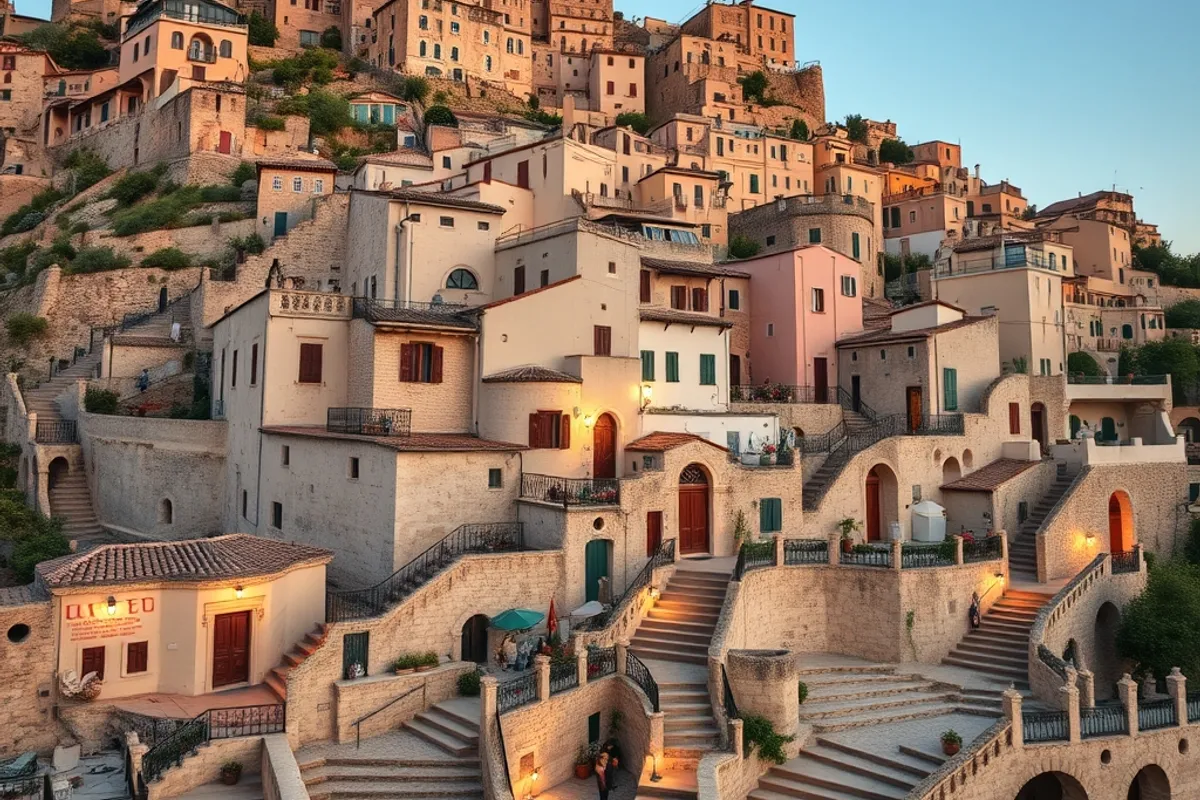
The best heritage days start before the coaches arrive and end after they leave. We look for a small hotel or guesthouse within walking distance, then eat in the town that serves the site rather than the cafeteria inside it. That usually means a quieter evening, a better breakfast and a second look at the place in different light. Local buses are often the cheapest way in, and the walk from the stop is part of the day.