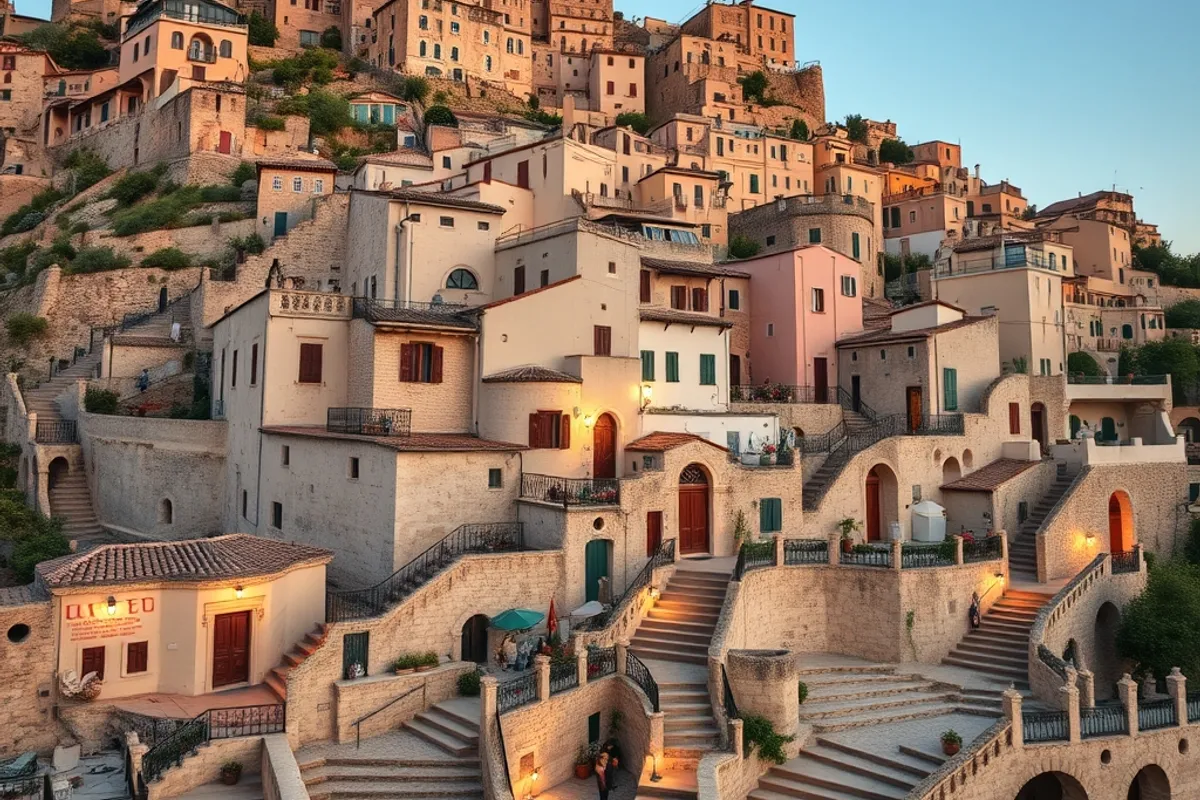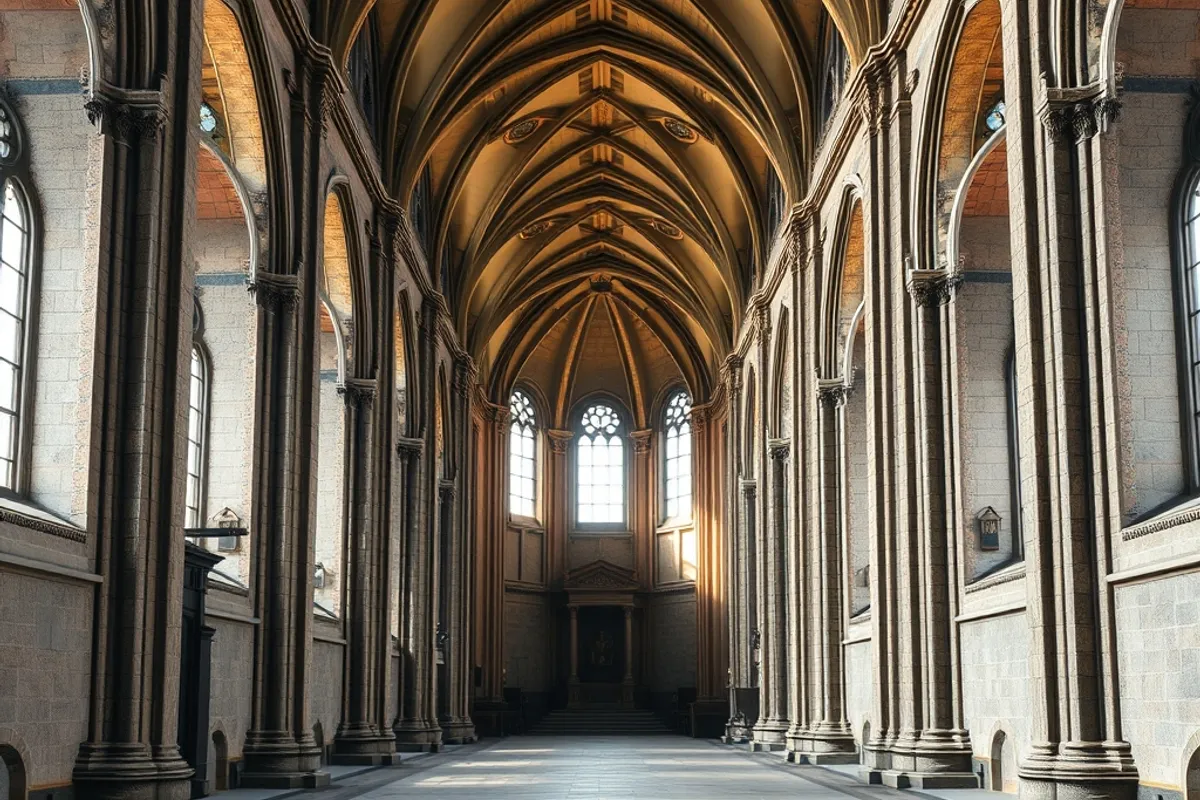
A heritage site can be the best day of a trip or an expensive shuffle past other people's phone screens. The difference is rarely the site itself. It is the hour you arrive, the ticket you bought, the rooms that happen to be open and whether you gave yourself time to sit down. This guide is the planning layer I use before any visit: what to check, what to book and what to leave flexible.
Why timing changes the visit
Famous sites have a rhythm. Coach groups arrive between ten and noon, eat at the same time and leave by mid-afternoon. Independent travellers often follow the same pattern because it matches hotel breakfast and a late start. Arrive at opening and you get twenty or thirty minutes of near silence in the main courtyard, which is worth more than any audio guide.
The last hour works too, but only if the site allows enough time to see the essential rooms before closing staff begin moving people toward the exit. Check the last entry time, not just the closing time. On a hot day, an early slot also means you walk the exposed parts before the stone starts radiating heat.
Tickets, timed slots and closures
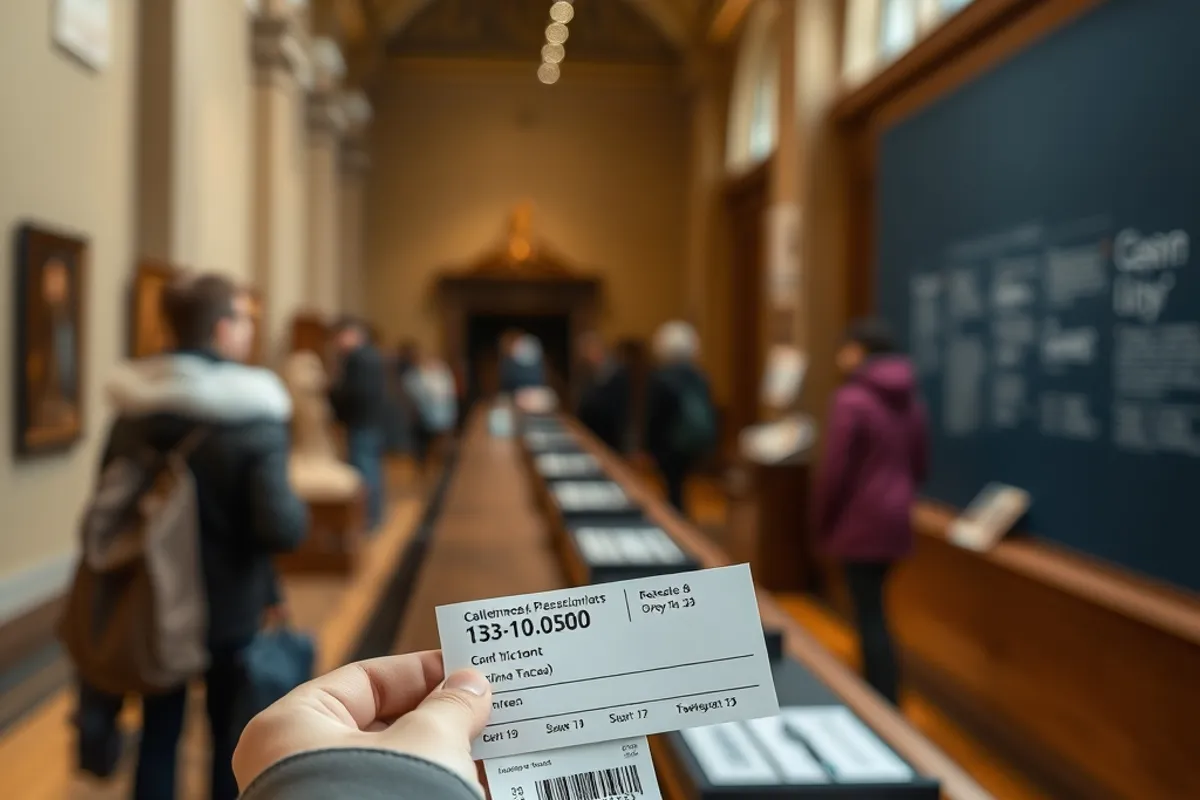
Buy from the official ticket page whenever one exists. Resellers add a fee and sometimes sell a voucher that still has to be exchanged for a real ticket at the desk. Look for the date, the entry window and whether the ticket includes the main building, the gardens or a separate exhibition. A cheap ticket that excludes the part you came for is not a saving.
Then check what is closed. Conservation work runs on its own schedule, and a wing can shut for months with little warning. The official site usually lists current closures, but a recent review or a quick email to the ticket office can confirm the detail. If the famous room is closed, decide whether the rest of the site still justifies the price. Sometimes it does; sometimes the nearby town is the better day.
The first hour and the last hour
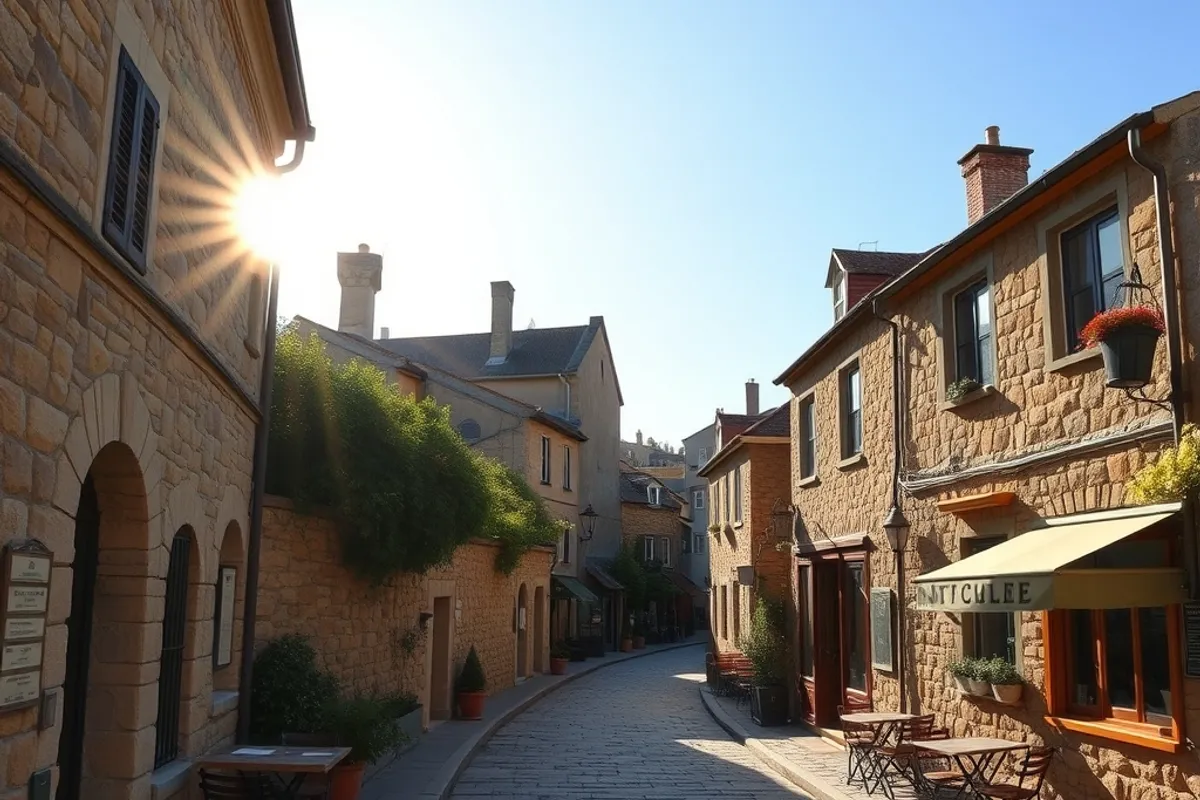
My default plan is the first slot of the day, a slow two hours in the main complex, a proper break, then one smaller museum or a walk through the old town. That shape avoids the worst crowds and gives the visit somewhere to breathe. If the site is spread out, I do the fragile or popular interior first and leave the gardens for later, when the light is better and the queue has moved.
Do not try to see two major sites in one day unless they are genuinely next door. Travel between them, parking, lunch and ticket queues eat more time than the map suggests. A single site seen properly, with a walk and a meal nearby, is a better memory than three rushed entrances.
Restoration, scaffolding and what is open
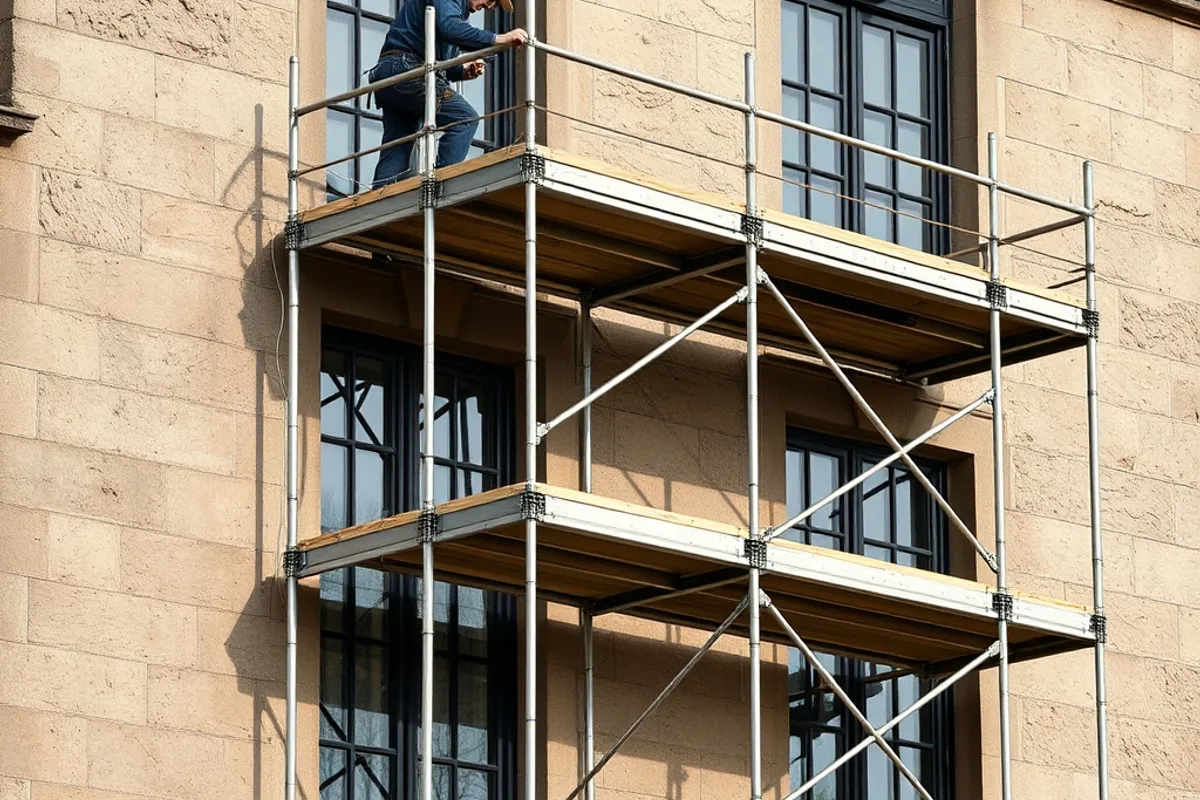
Scaffolding is not automatically a reason to cancel. Many restoration projects cover one facade while the interior, crypt or cloister stays open. Photographs from recent visitors show what the site actually looks like now, and the ticket page should state any reduced price. What I avoid is paying full price for a site where the main experience is a temporary exhibition about the restoration itself.
Ask at the desk which route is open and how long it takes. Staff often know a quieter staircase or a side entrance that the map does not highlight. If a room is closed, they can also tell you whether it is likely to reopen during your stay, which is useful when you have two or three days in the area.
Staying nearby, not commuting
The best heritage stays are within walking distance of the site, or a short local bus ride away. Staying in the gateway town means you can visit at opening, return to the hotel for a rest and come back for the evening light without paying for another transfer. It also puts your money into the local economy rather than a chain hotel beside the motorway.
Look for a small guesthouse with a real breakfast and a host who knows the opening times. A room with a view of the monument is nice, but a quiet room and a good shower matter more after a day on stone floors. Check whether the street is on a coach route; the same location can be peaceful at night and loud at nine in the morning.
Accessibility and real walking distances
Heritage sites are often old, uneven and vertical. A route described as three hundred metres can include steep stairs, loose gravel and no shade. Read the accessibility page and ask directly about lifts, handrails and seating. If you travel with someone who needs a slower pace, plan one main building and one garden rather than the full circuit.
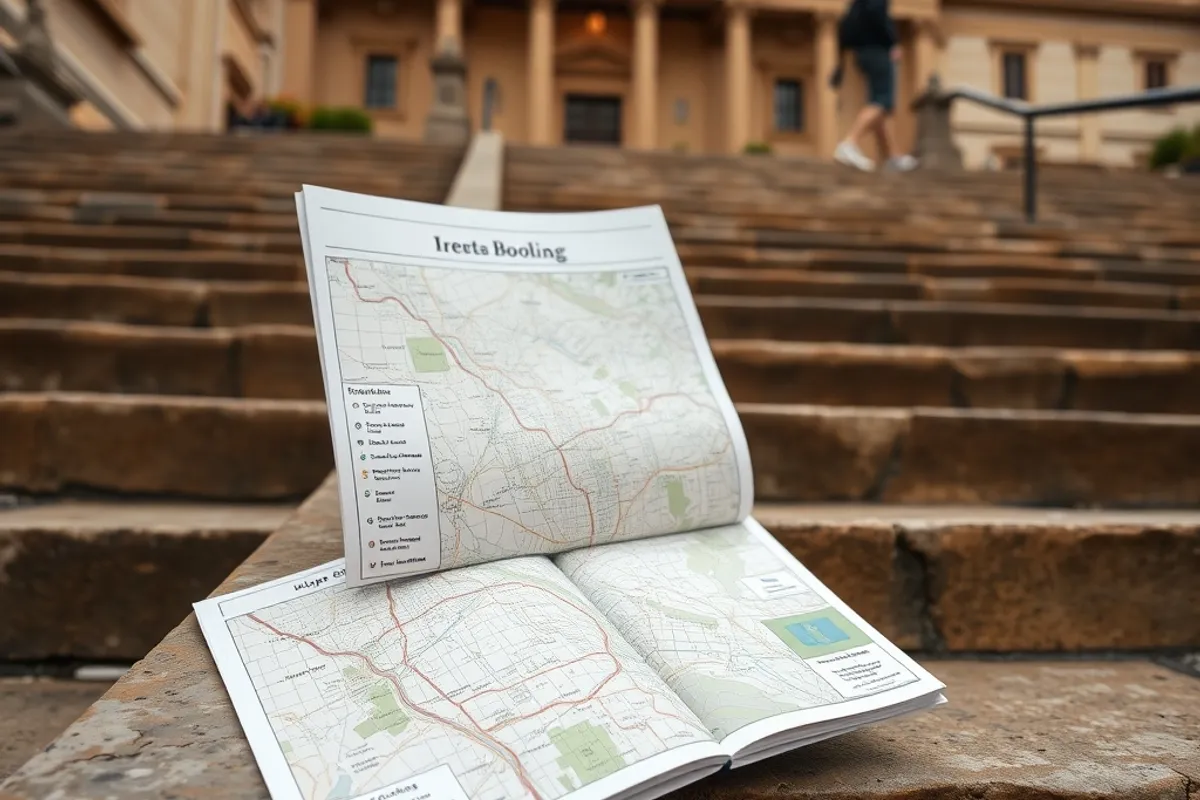
Wear shoes with a real sole. Cobblestones, polished marble and wet stone are slippery, and many sites forbid tripods or large bags that can knock into fragile surfaces. Carry water, especially where fountains are decorative rather than drinkable, and keep a paper map if the site is large enough to have more than one exit.
What a heritage day costs
For a full day, budget 40 to 90 dollars per person: entry, a local transfer, coffee, lunch and a small reserve for an unexpected exhibition or a guidebook. Add more if you need a taxi because the last bus leaves before the site closes. A guided tour can be excellent value for the first visit, but only if the group is small enough to ask questions.
Many towns offer a combined ticket across several sites. Do the arithmetic before buying: if you will realistically see two of the five included places, the single tickets are often cheaper. Student, senior and local discounts vary widely, and some sites require proof of age or residence at the desk rather than online.
A heritage site rewards the visitor who arrives early, reads the room list and leaves time to sit down. The building has waited centuries; your itinerary can wait an hour.
What I would do differently
I would book the first slot, check the closure list the week before, and stay one night in the town rather than commuting. I would also leave the afternoon open for the small museum that never appears in the top-ten list, because those rooms are often where the story becomes human.
For the wider trip, our best heritage sites for 2026 covers seven places that reward a full day. If the plan includes a slow stay nearby, the countryside stays guide explains how to judge the last mile before you book.