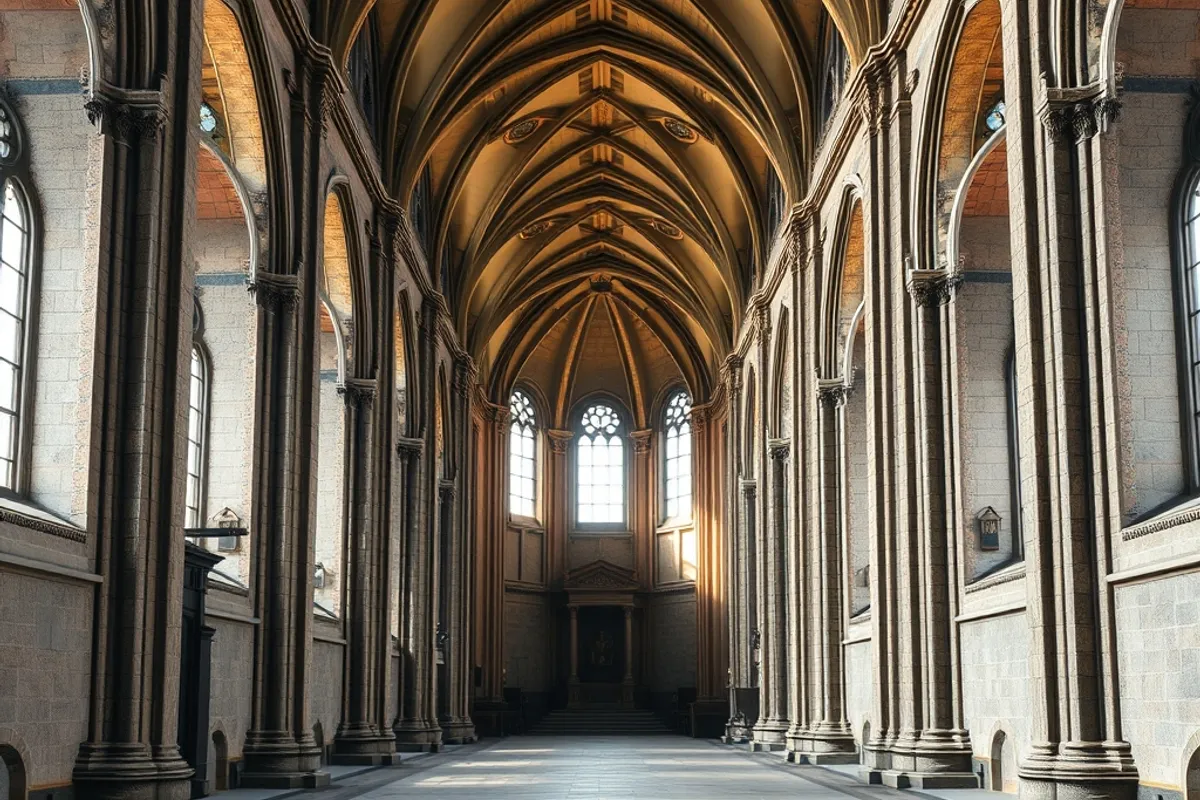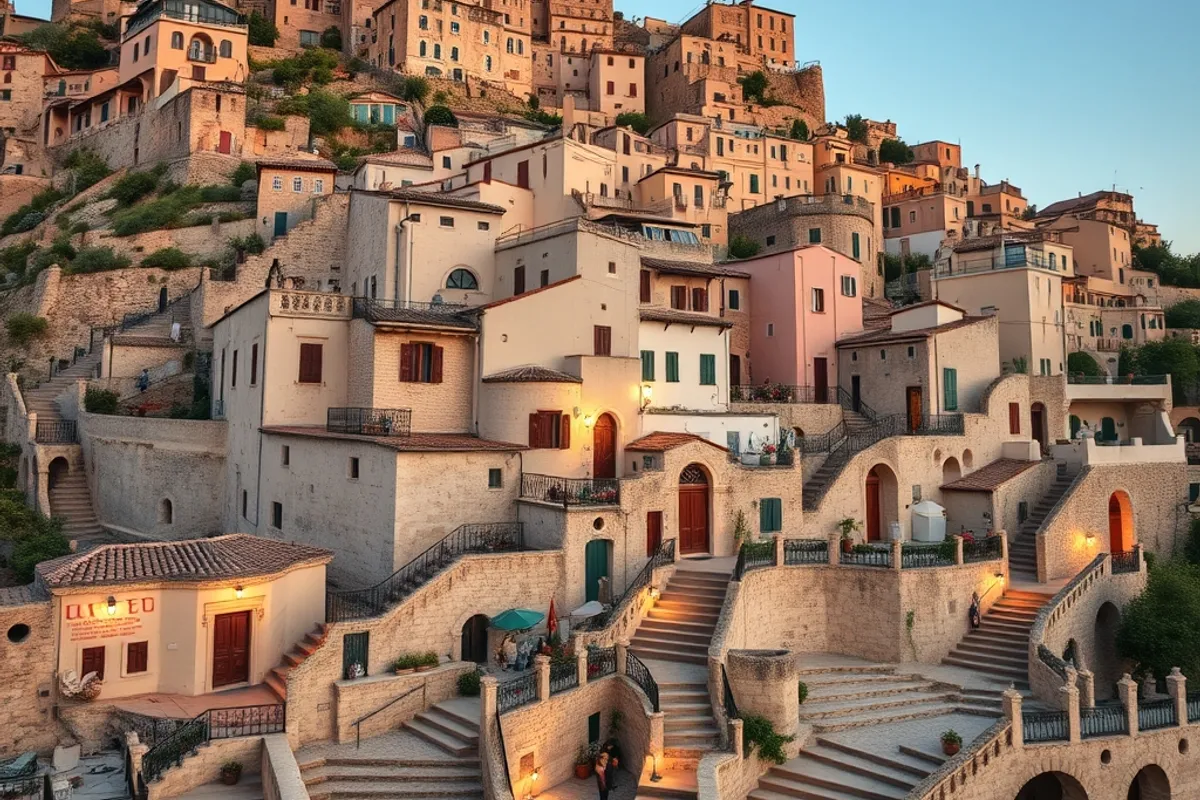
Countryside accommodation is not one category. A working farm, a village inn and a lakeside lodge offer very different weeks, and the best choice depends on how you will move, what you want to eat and how much quiet you need. These seven styles cover the range, with the details that decide whether each one works.
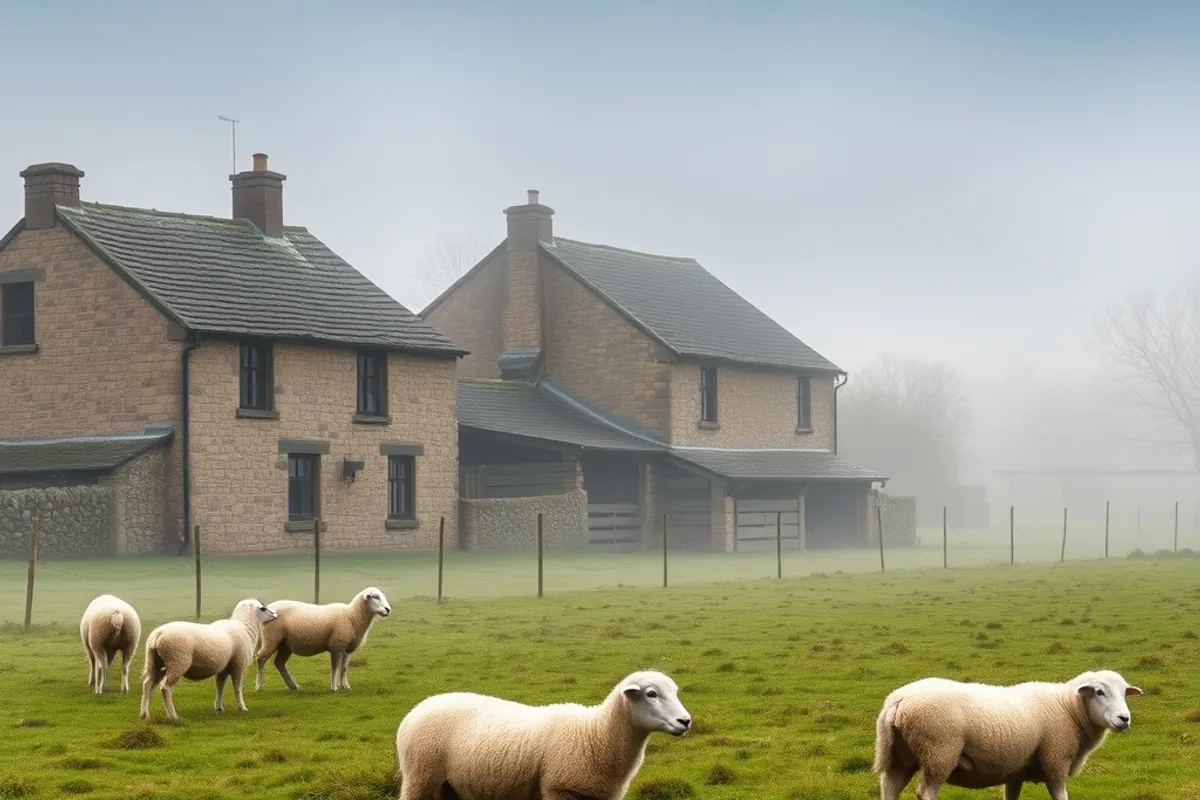
Farmhouse stay: close to the work
A farmhouse stay puts you near animals, fields and the rhythm of a working property. It suits families and people who want a real sense of place, but it is not always quiet. Machinery starts early, animals make noise and the host may be busy. Ask whether the guest rooms are in a separate building and whether children can help with feeding or collecting.
Check the road access and the distance to the nearest village. A farm can be wonderful in daylight and very dark at night, so confirm the path to the room and whether a torch is provided. If you have allergies, ask about animals and bedding before you book.
Village inn: the easiest car-free option
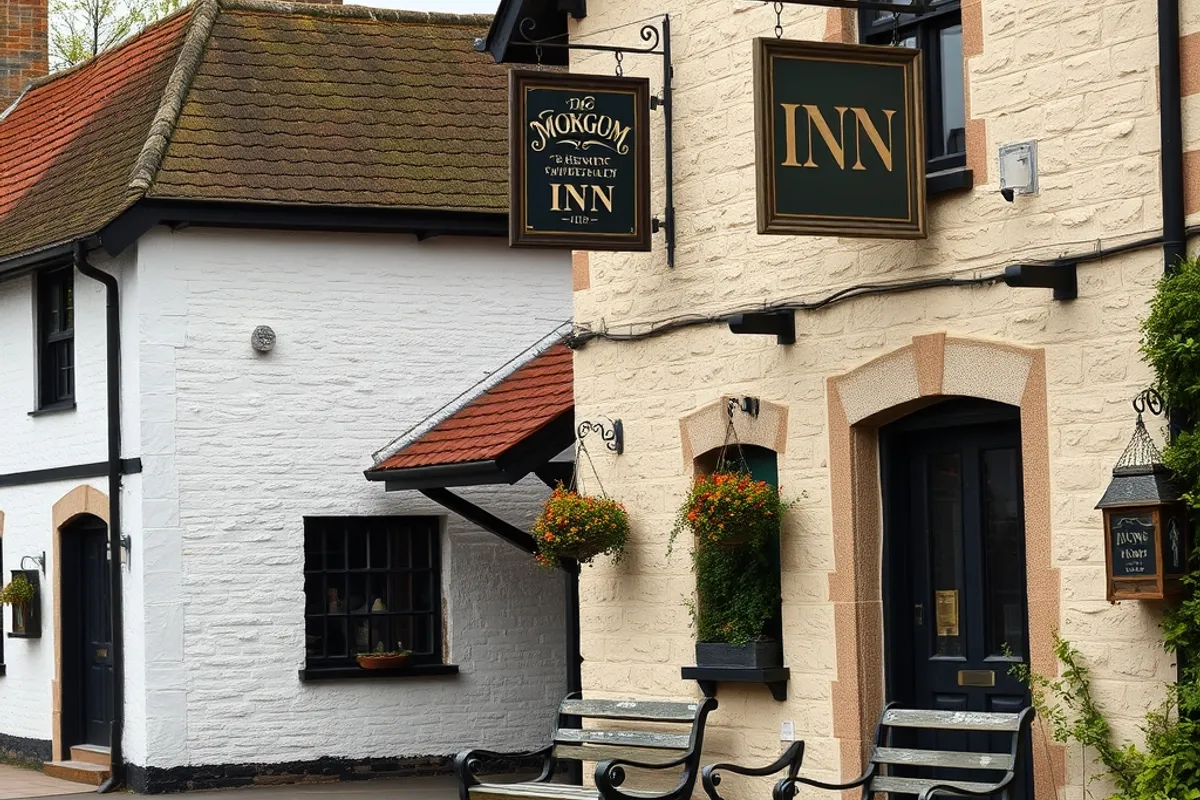
A village inn is usually the simplest rural stay without a car. You get a room, a bar, a kitchen and a short walk to the bus stop. The trade-off is less privacy and more noise from the bar or the road. Ask for a room at the back and confirm the kitchen hours, especially on Sundays and Mondays.
The best inns feel like the centre of the village rather than a themed version of it. Look for local beer, a short menu and guests who live nearby. A village with one shop and one pub can be perfect for two nights and limiting for a week, so check what else is within walking distance.
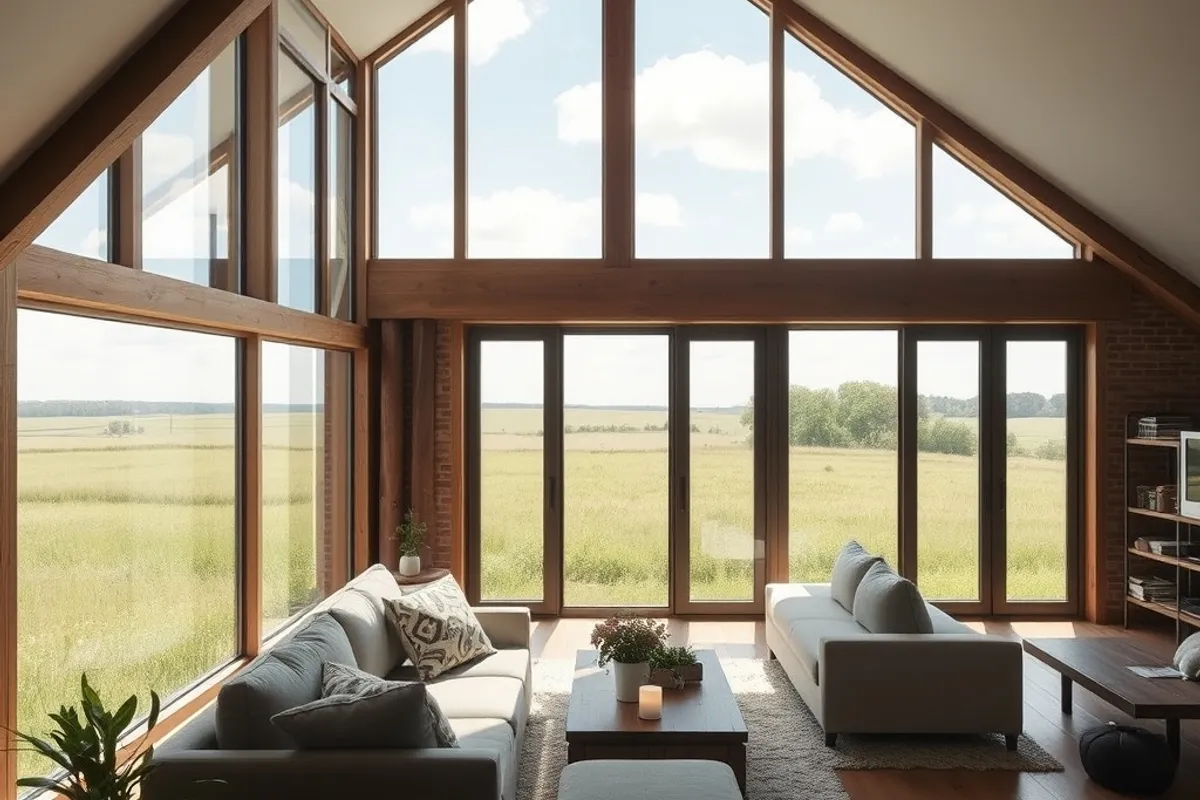
Converted barn: space and a view
A converted barn often gives more space than a hotel room, with a kitchen and a sitting area. It suits a longer stay or two couples travelling together. The risk is poor insulation and a location that looks rural but sits beside a busy road. Ask about heating, Wi-Fi and whether the conversion kept any original features that make noise travel.
Check the access track and parking, especially in winter. A barn on a working property may share a yard with vehicles or animals. If you plan to cook, confirm the kitchen equipment and the nearest food shop rather than assuming a fully equipped kitchen means a good one.
Lakeside lodge: water at the door
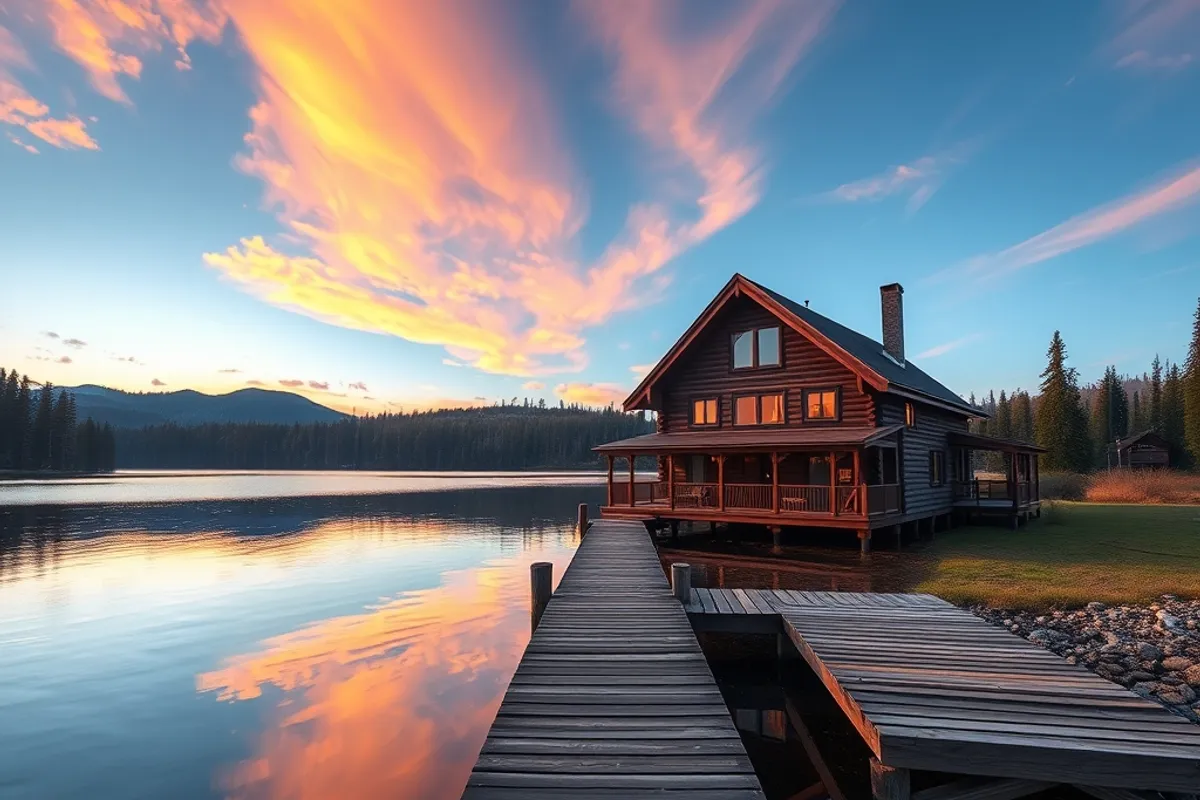
A lakeside lodge is built around the view and the water. It suits walkers, swimmers and people who want a quiet base with a short walk to a restaurant. The best ones have a drying room, a place to store boats and a clear map of the shoreline. The worst charge a premium for a view and provide nothing else.
Ask about the swimming access, the depth and the rules on boats. A lake that is beautiful from the terrace may be cold, shallow or private. Check the road in winter and whether the lodge restaurant opens outside high season. Midweek stays are often quieter and cheaper.
Vineyard room: food and wine on site
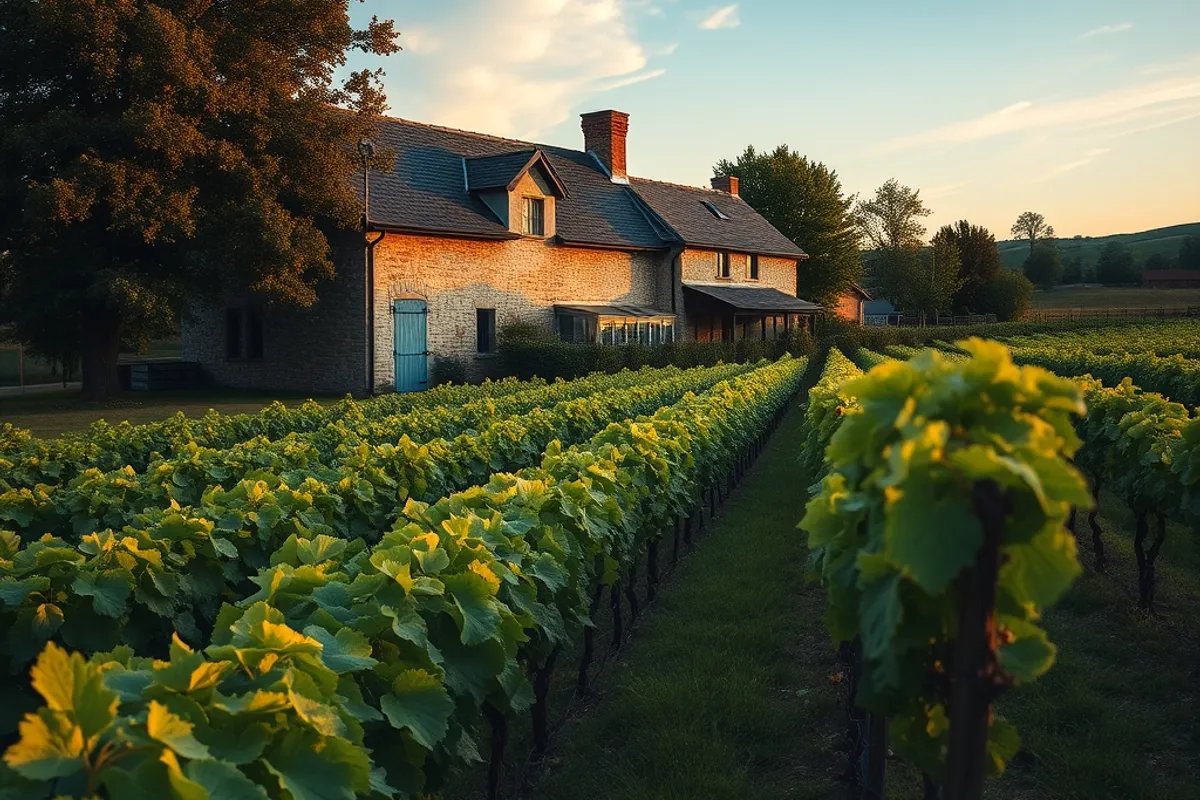
A vineyard stay works when the property has a real kitchen and a tasting that is more than a sales pitch. It suits couples and small groups who want a slow day with a walk through the rows. Ask whether the tasting is included, how far the nearest village is and whether dinner is available on the nights you are there.
Harvest is atmospheric and busy. If you want quiet, go outside the picking weeks. If you want the full experience, book early and expect higher prices. Check the road and the taxi options, because a tasting lunch and a winding lane are not a good combination.
Coastal cottage: weather and walking
A coastal cottage is a good choice for a walking week, as long as you accept the weather. The best ones are close to a path, a shop and a pub, with a drying room and a real heating system. The worst are a long drive from everything and priced for the view rather than the comfort.
Check the tide times, the coastal path access and whether the nearest beach is swimmable. Winter can be wild and beautiful, but some villages close their cafes and buses. Ask about mobile signal and Wi-Fi if you need to work, and confirm the checkout time if the cleaning team has a long drive.
Mountain hut with comfort: a middle path
A staffed mountain hut with private rooms offers a middle path between camping and a hotel. You get a bed, a hot meal and a trail at the door, without the full weight of a pack. It suits walkers who want a night in the hills but not a multi-day expedition.
Ask about the bedding, the shower situation and whether dinner is included. Some huts are family-run and generous; others are basic and crowded in season. Check the walk in and the altitude before you book, and confirm the cancellation policy, because mountain weather can change the plan quickly.
How to choose and what to skip
Start with the transport, then the food, then the room. A beautiful property with no dinner and no taxi is a problem, not a bargain. If you are unsure, book two nights rather than a week and use the first day to learn the area.
For the booking checklist, read our countryside stay planning guide. If the trip includes a heritage site, our best heritage sites for 2026 covers the places that reward an overnight stay nearby.