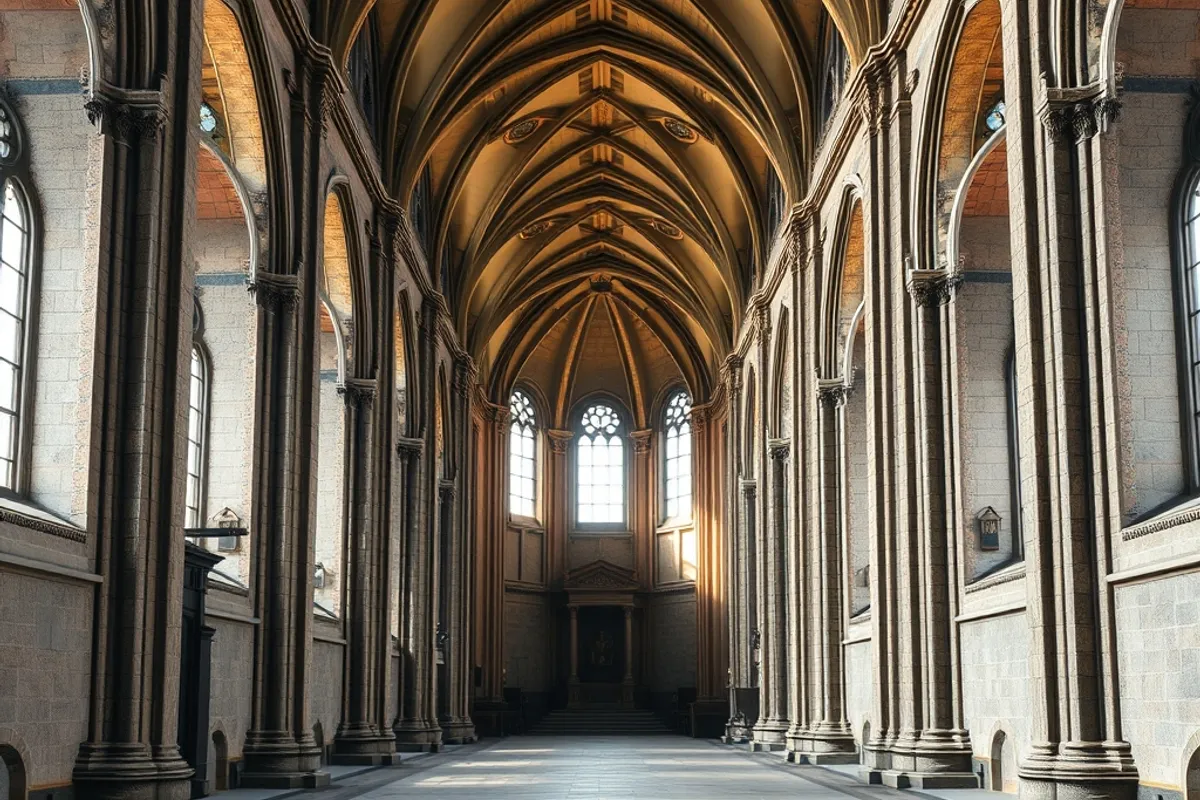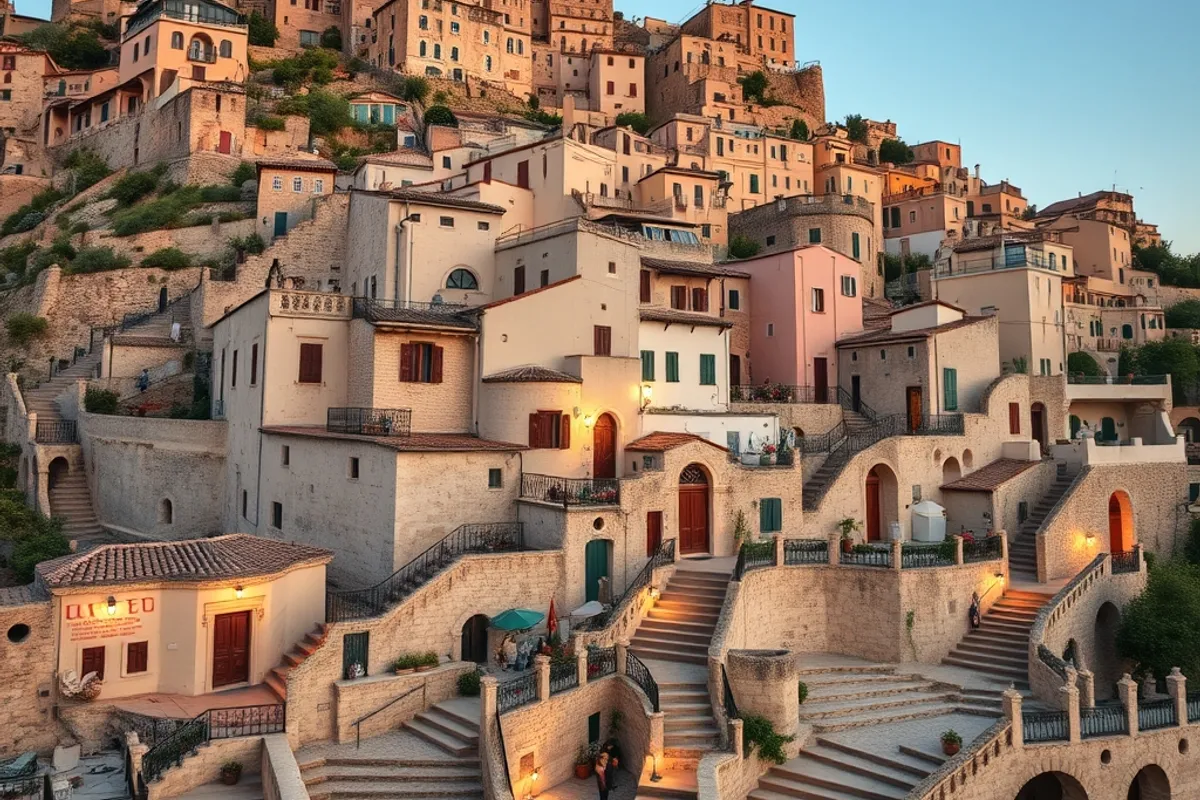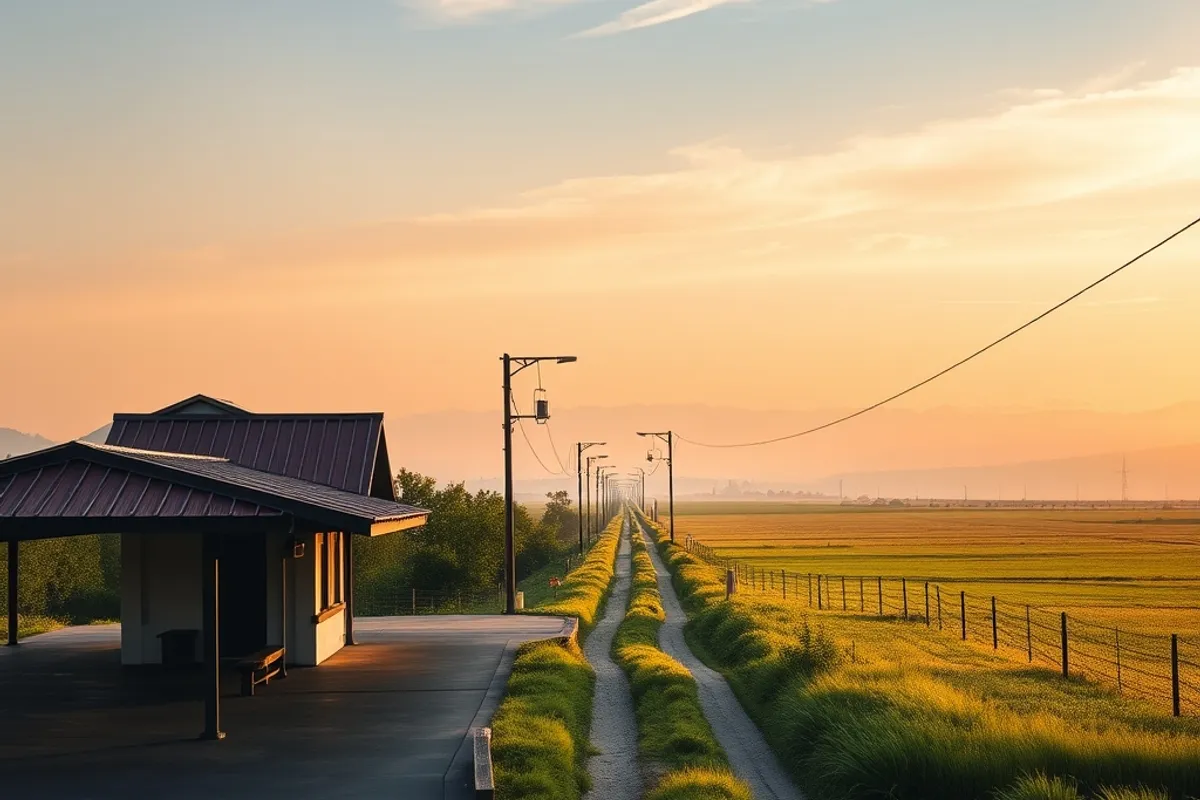
A countryside stay looks simple: a quiet room, a good dinner and a long walk. In practice, the success of the trip is decided by the last mile. A beautiful farmhouse can be a delight with a car and a burden without one, and an old inn can be charming in the photographs and cold in the room. This guide is the check I run before booking a rural stay.
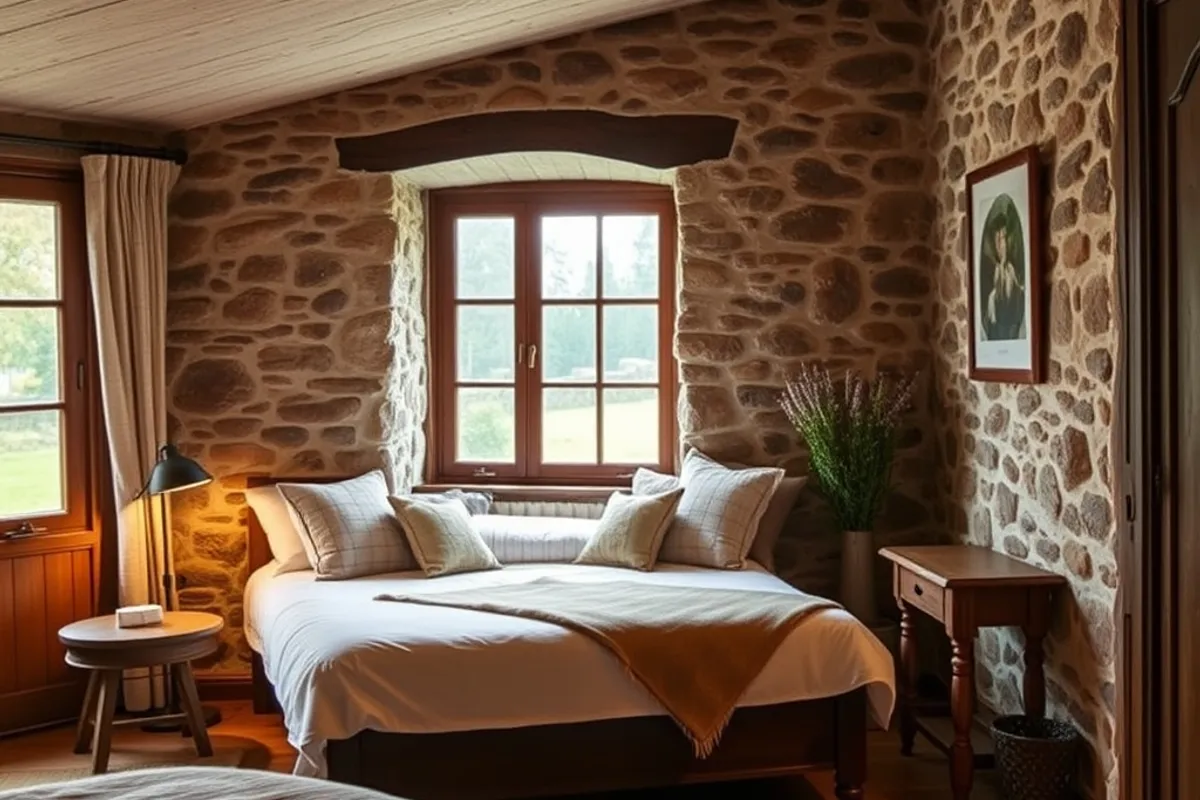
The last mile decides the stay
Find the nearest station, the bus frequency and the cost of a taxi before you look at the room. A hotel that is fifteen minutes from town is close with a car and isolating on foot after dark. If the property offers a pickup, confirm the times, the price and whether it runs on the day you arrive. A free pickup that only operates before six in the evening is not useful for a late train.
Look at the road on a map, not just the distance. A straight-line three kilometres can be a narrow lane with no pavement and no lighting. Ask whether the walk is safe after dinner and whether the hotel has a torch to lend. The best rural stays are honest about this; the worst describe every location as peaceful and every town as charming.
Rooms, heating and old buildings
Old buildings have character and thermal problems. Read recent reviews for heating, damp, water pressure and noise, then ask which rooms have been renovated. The photograph may show the best suite rather than the standard room you booked. A garden view is worth paying for; a room above the kitchen or beside the boiler is not.
In winter, confirm that the heating works before you arrive and that the restaurant is open. Some rural hotels close their kitchen in low season and assume guests will drive. Ask about hot water timing in older properties, especially if the building is off-grid or powered partly by solar. A cold shower in a beautiful bathroom is still a cold shower.
Food, dinner and the nearest alternative
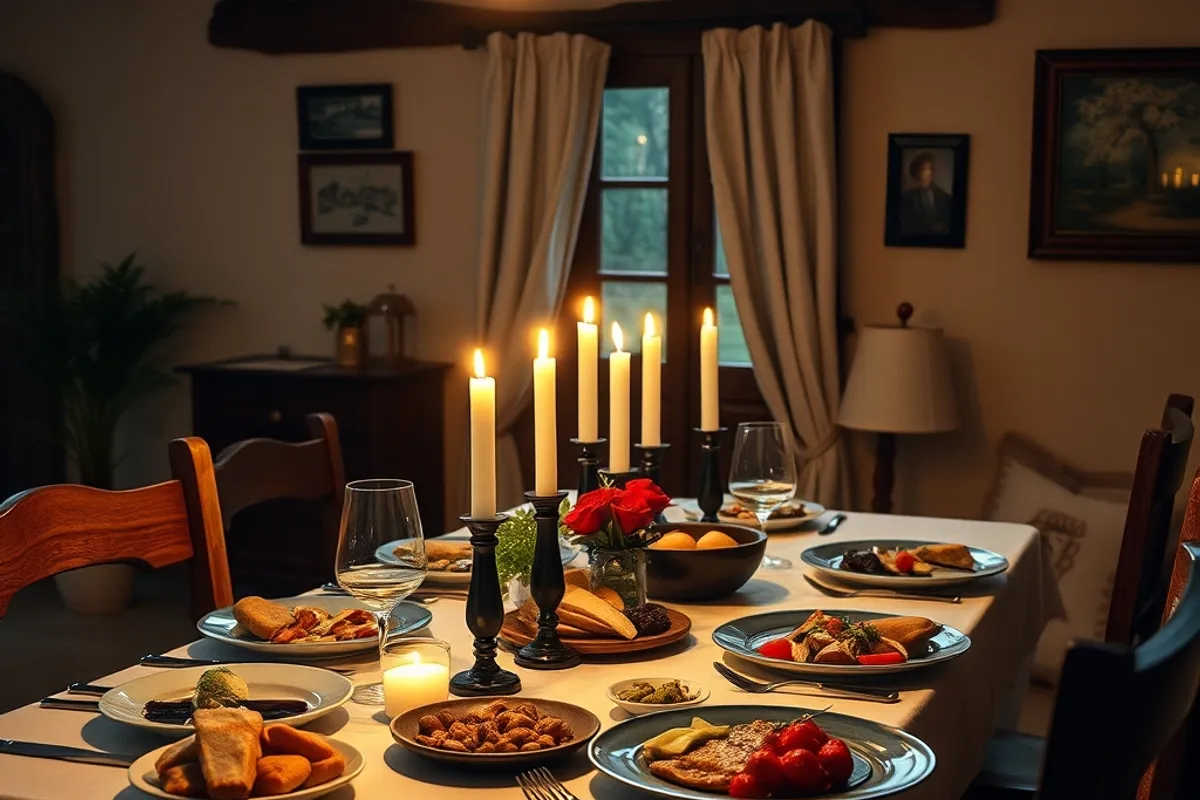
The best countryside stays have one good kitchen within walking distance. Look for a village bakery, a market day and a hotel that serves dinner to guests rather than sending everyone back to town. Half board can be good value in a remote area, but only if the menu suits you and the portions match the walking you are doing.
Ask what happens if you arrive late or miss dinner. A plate kept aside is a good sign; a shrug and a list of closed restaurants is not. Note the distance to the nearest alternative and whether it is walkable, because a hungry evening can undo a lovely day. If you have dietary needs, confirm them in writing before you book rather than at the table.
Car, train or bicycle
A car gives freedom but adds parking, fuel and the temptation to drive everywhere. A train plus a bicycle works well in flat areas with quiet lanes, but only if the hotel has secure storage and the station allows bikes. A car-free weekend is realistic when the station, the inn and one good walk are within a short radius; otherwise you will spend the weekend waiting for buses.
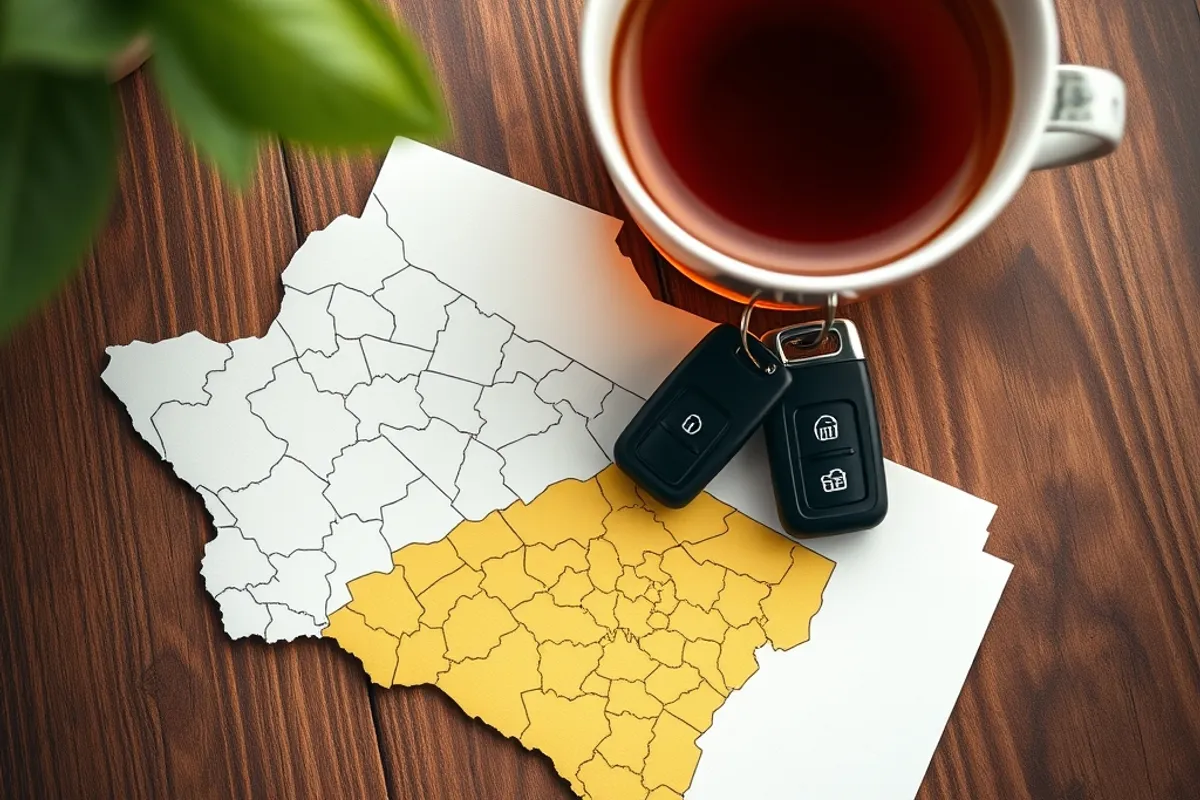
Check the last bus back from your walk and the taxi availability on a Sunday. Rural services are thinner than they look online, and a timetable that runs in summer may stop in October. If you are relying on a taxi, save the local number and confirm the price before you set off.
Hosts, house rules and the real atmosphere
A good host can make a rural stay. Ask for the walk they would do on their day off, and take the advice. House rules matter too: check-in windows, quiet hours and whether the property is a working farm with animals or machinery. A farm stay can be wonderful for children and less restful for someone hoping for silence.
Look for reviews that mention the host by name and describe something specific, such as a packed lunch or a lift to the station. Those details are more useful than a generic five-star rating. If the property is adults-only or has a no-shoes rule, it should say so clearly before you book.
Seasons, weather and what to pack
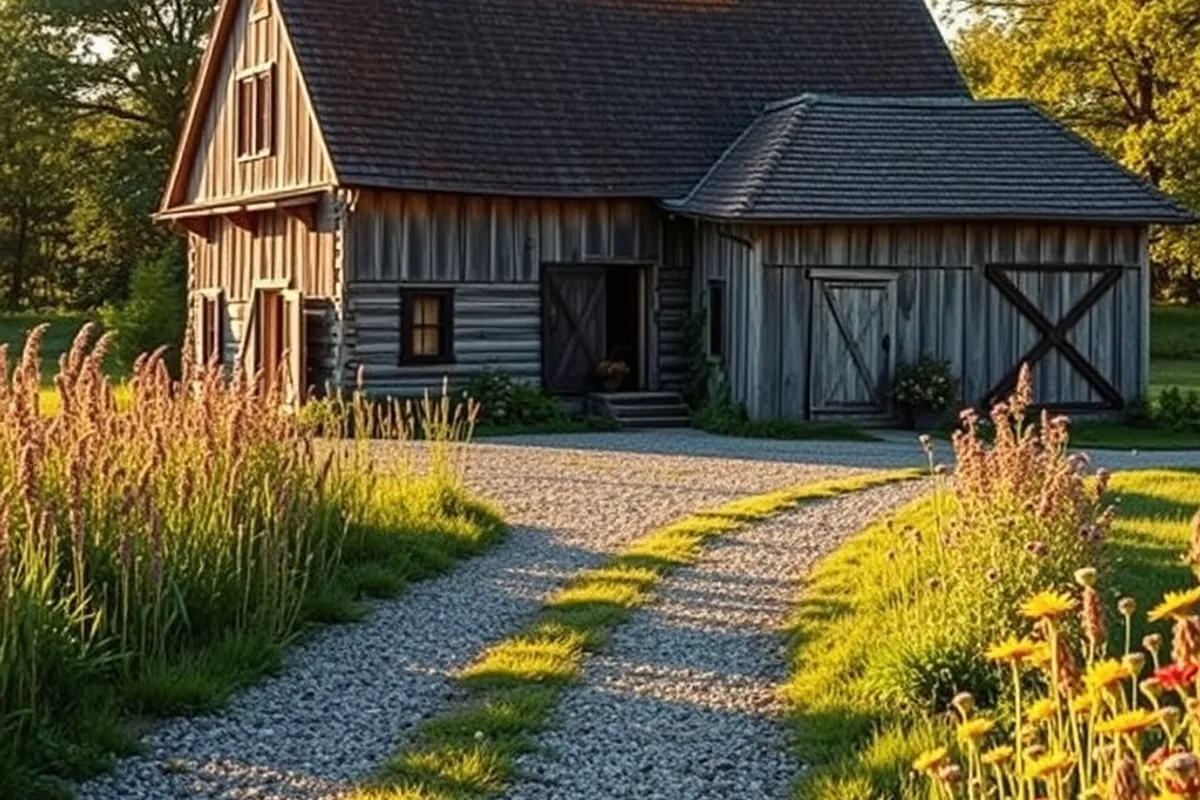
Rural areas are more exposed to weather than cities. A valley can be foggy while the ridge is clear, and a lane can flood after heavy rain. Pack a waterproof layer, shoes that grip mud and a warm mid-layer even in summer. If the stay involves walking to dinner, bring something that works on an unlit path.
Check the season for the thing you came to see: wildflowers, harvest, autumn colour or a quiet winter. A village that is charming in June can be closed in January. Ask whether the restaurant, museum or local bus runs during your dates, and have a plan for a wet afternoon that does not involve driving an hour.
What I would do differently
I would book the transfer before the room, ask for a renovated standard room rather than the cheapest unrenovated one, and confirm dinner for the first night. I would also leave the second day unplanned and ask the host for a walk that starts at the door.
For specific styles, read our best countryside stays for 2026. If the trip is built around a heritage site, the heritage timing guide explains how to choose a base that avoids a daily commute.