
Good travel planning is mostly a set of small decisions made in the right order. None of these seven moves is clever on its own, but together they remove the most common ways a trip becomes expensive or exhausting. They work for a weekend city break and for a two-week route.

Book the route before the room
The route decides where you sleep, not the other way around. Once you know the nights and the transport, the accommodation choice becomes obvious. Booking a room first often locks you into a location that looks central but adds a daily commute, or a cheap stay that requires an expensive taxi at midnight.
Write the route as a list of nights with the transfer in between. If a move takes more than half a day, ask whether it is worth it. A single base with day trips is often the better holiday, especially for a first visit.
Price the total journey, not the ticket
Add luggage, seat selection, the airport transfer, the station-to-hotel taxi and the value of your time. A cheap flight that lands at an awkward hour can cost more than a slightly higher fare that arrives in the morning. A train that leaves from the centre may beat a bus that requires a long walk with bags.
For separate tickets, check the connection risk. A two-hour gap at a small station with one train a day is not the same as a two-hour gap at a major hub. If the connection fails, who protects you? The answer decides whether the saving is real.

Choose one base and go deeper
One base gives you a kitchen, a favourite cafe, a laundry option and a host who knows the area. Three hotels in four nights give you a series of check-ins and a bag that is never fully unpacked. The base does not have to be the capital; a smaller town with good transport can be cheaper and calmer.
Use day trips for the highlights that are too far to stay near. Check the first and last train, the return fare and the walk from the station. A day trip that depends on the last bus is a day trip with a deadline built in.
Book the one thing that sells out
Every destination has one thing that genuinely sells out: a small museum, a popular restaurant, a timed entry, a specific train. Book that first, then leave the rest flexible. The mistake is booking everything, which turns the trip into a schedule with no room for weather or a better recommendation.
Check the cancellation terms before you pay. A refundable ticket is worth a small premium when the rest of the trip depends on it. If a booking requires a card guarantee, put the date in your calendar so you do not lose the reservation to a no-show fee.

Build a daily budget with a buffer
Fixed costs are easy to count; daily spending is where budgets fail. Add local transit, one proper meal, coffee, entries and a small buffer for the unexpected. Then compare the daily total with the room rate. A cheaper room that requires a taxi twice a day is not a saving.
Withdraw a sensible amount of local cash on arrival and use a card for larger payments. Check the foreign transaction fee before you travel, and keep a second card separate from the first. A blocked card is easier to solve when you have a backup and a phone number.
Leave one flexible day
A flexible day is not wasted time. It absorbs a delayed train, a closed museum or the recommendation you get from a local on the second evening. Trips with no buffer tend to lose the thing people most want: the feeling of being somewhere rather than moving through it.
Use the flexible day for a walk, a market or a return to the place you liked. If everything goes to plan, you still get a better day than another scheduled stop. If something goes wrong, the trip survives.
Check the boring details early
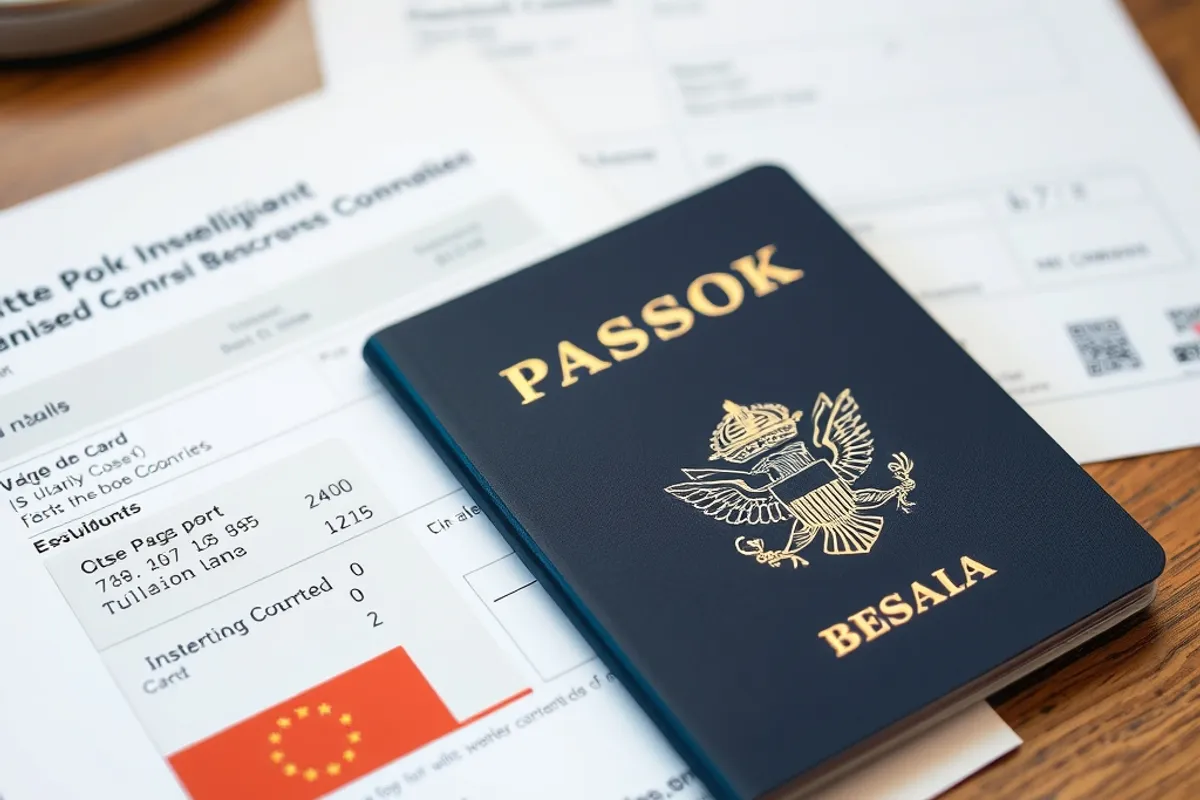
Passport validity, visa rules, insurance cover, medication and the return transfer are not exciting, but they are the details that ruin a trip when they go wrong. Check the official government advice for your nationality and destination, and confirm that your insurance covers the activities you plan to do.
Save the booking confirmations offline and share the itinerary with someone at home. If you are travelling alone, send a message when you arrive and when you move between bases. These habits cost nothing and remove a surprising amount of low-level worry.
How to use these moves together
Start with the route and the one booking that matters, then choose the base, then the room. Price the whole journey and keep a daily buffer. Leave one day open, and check the boring details before you leave. That is the whole method, and it works because each step reduces the number of decisions that can go wrong later.
For the full sequence, read our travel planning order guide. If the trip is built around food, the best food escapes for 2026 covers the towns and markets worth planning around.