Food escapes come in different shapes, and the right one depends on how far you want to travel, how much you want to spend and whether the point is a single meal or a whole week of eating. These seven styles cover the range, with the details that decide whether each one is worth the trip.
Market town: the weekly rhythm
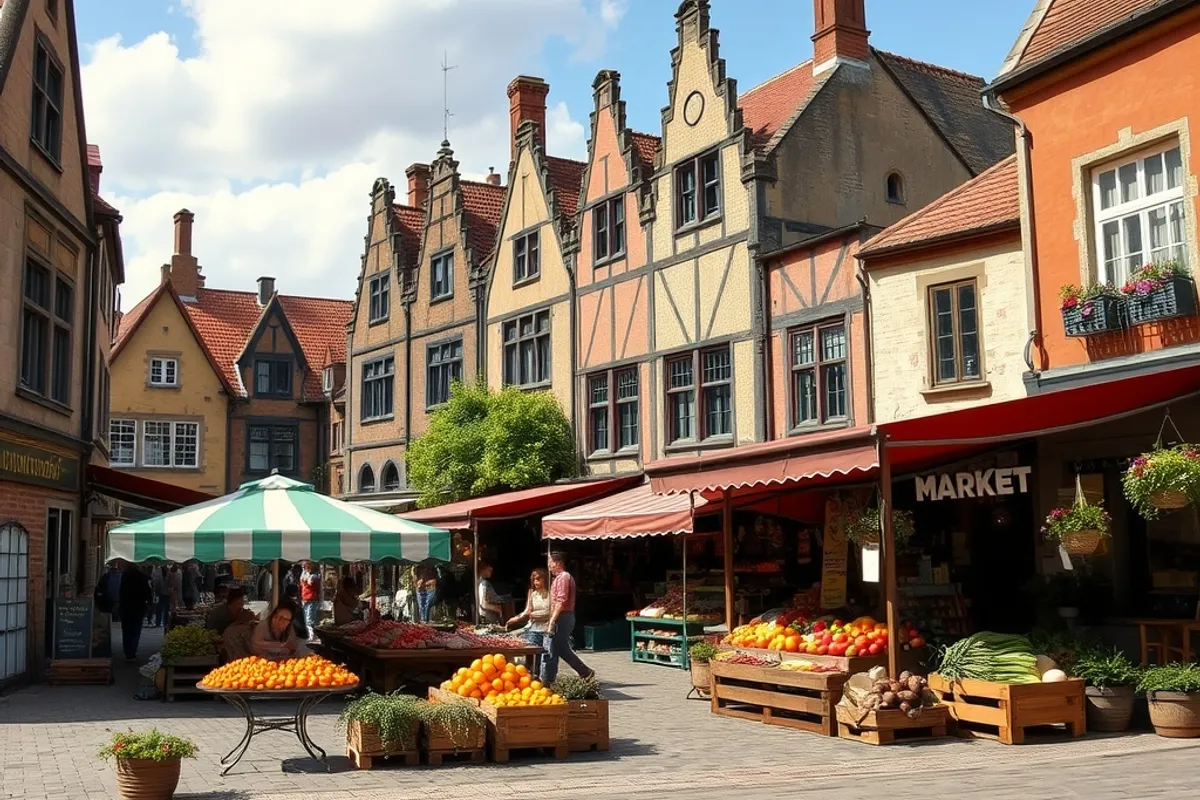
A market town is the simplest food escape. You arrive the day before the main market, eat at a bakery and a family restaurant, then spend the market morning buying, tasting and watching the town work. The best towns have a covered hall as well as an outdoor square, so the market survives bad weather.
Check the market days and the earliest opening time. Some produce markets finish by noon, while a cooked-food market may run into the afternoon. Stay within walking distance of the square and book dinner for the evening, because the best restaurants fill up after a market day.
Coastal seafood: boats, weather and lunch
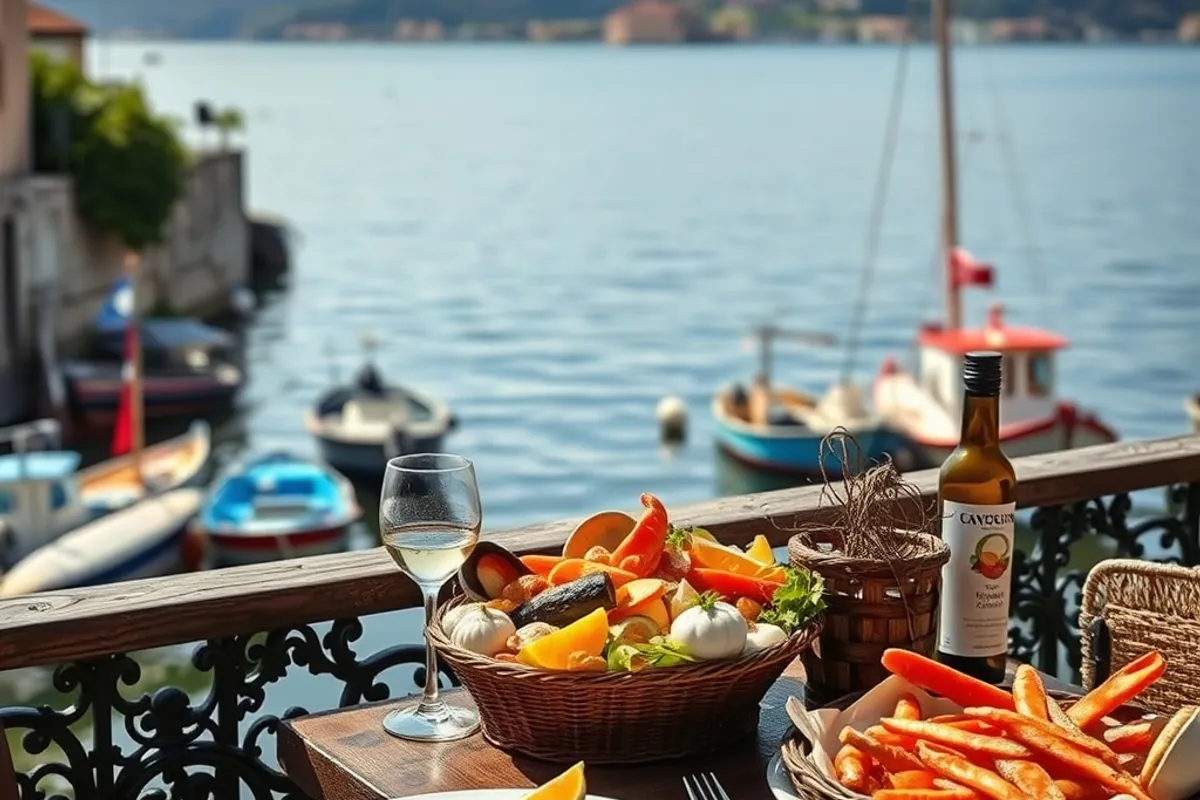
A coastal seafood trip works best when the boats are small and the menu changes with the catch. Look for a harbour town with a fish market, a few simple restaurants and a walk to work up an appetite. Lunch is usually the main meal, and the best places close when the fish runs out.
Weather decides the trip. A windy week can keep boats in port, and a summer weekend can fill every table. Ask what is in season and whether the restaurant buys locally or from a wholesaler. Avoid the place with a huge menu and photographs of every dish; the shorter menu is usually the fresher one.
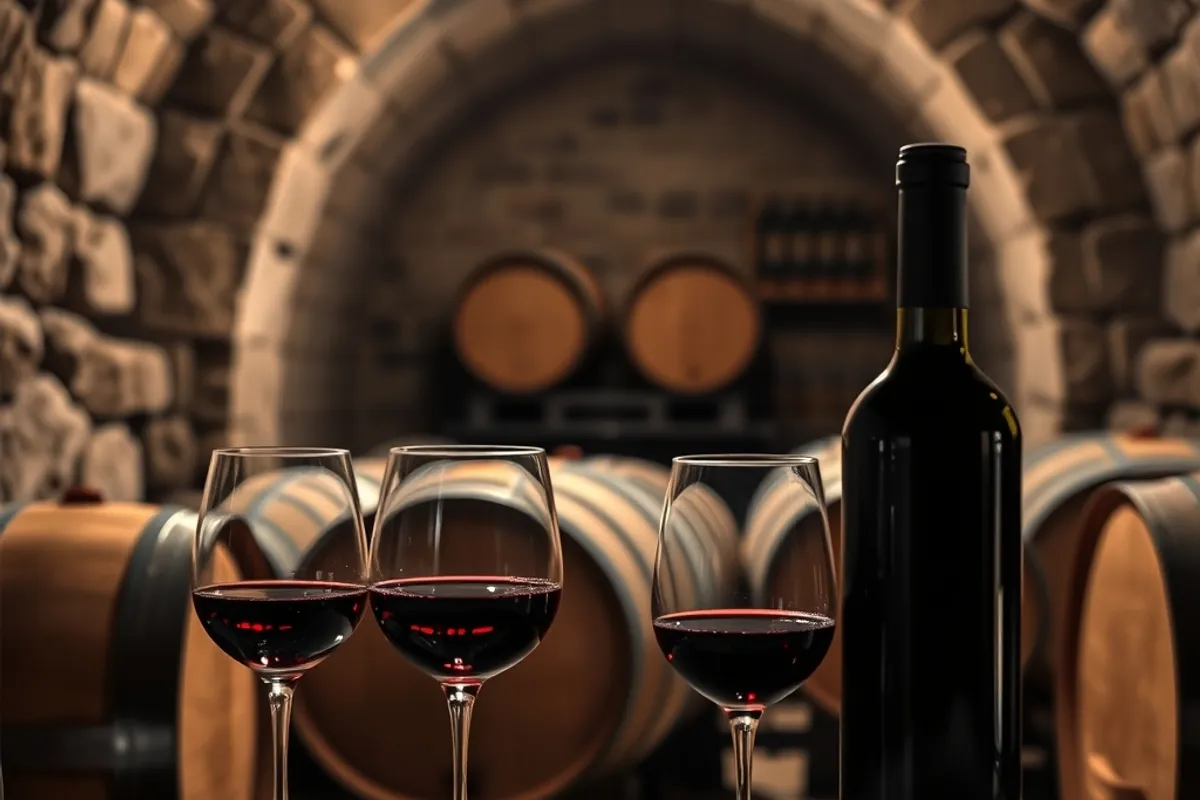
Wine village: tasting without the drive
A wine village is a good food escape if you plan the transport properly. Book a room within walking distance of the tasting room or arrange a transfer, because a long lunch and a winding road are a bad combination. The best visits include a walk through the rows and a tasting with the person who makes the wine, not a scripted sales pitch.
Ask whether the tasting fee is deducted from a purchase and whether food is served. A tasting on an empty stomach is a short afternoon. Check the harvest dates if you want to see the work, or avoid them if you want a quiet village.
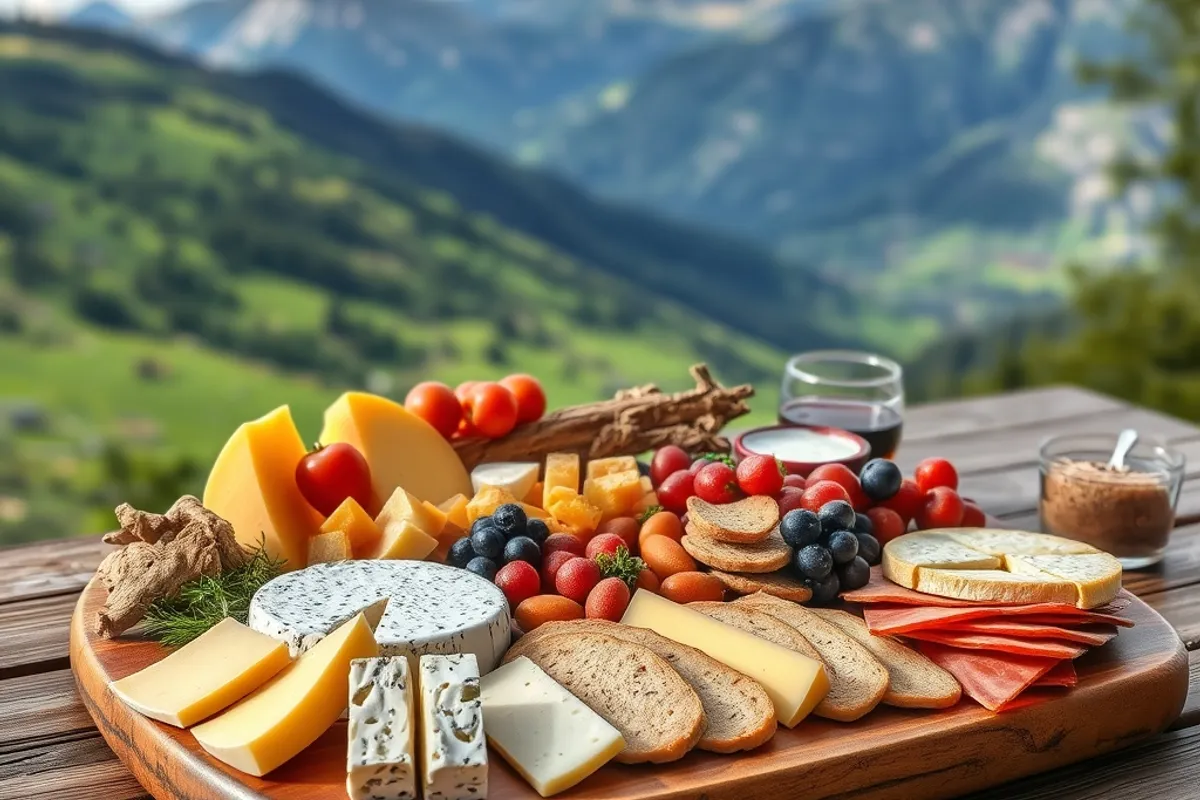
Mountain cheese and cured meat: simple and seasonal
Mountain food is often simple: cheese, cured meat, bread, potatoes and a stew that has been cooking for hours. The best meals are at lunch after a walk, in a village restaurant with a short menu and a view of the slope the animals graze. It is not a refined food trip, but it is one of the most satisfying.
Check the season for the mountain huts and the roads. Some places close in late autumn and reopen in winter for skiing. Ask whether the cheese is made on site and whether you can visit the dairy. A farm visit is often better value than a fancy tasting menu.
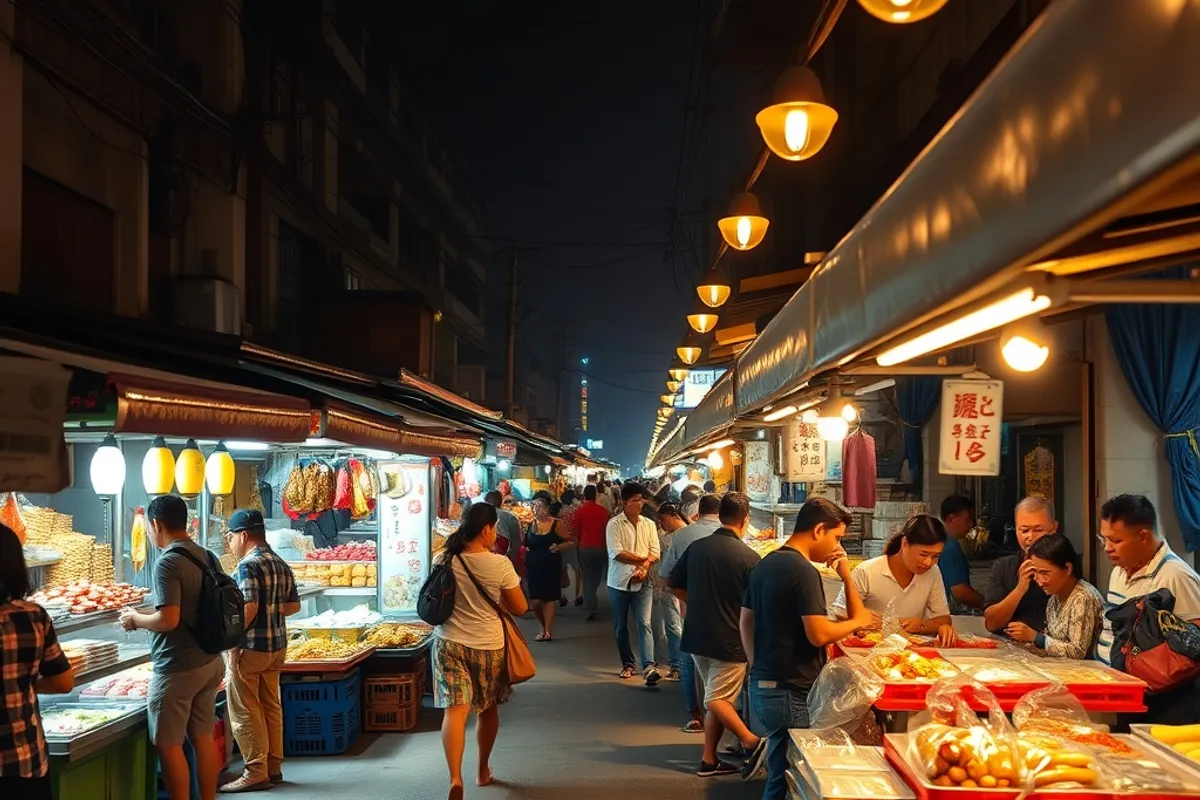
Street food city: small portions, many stops
A street food city rewards walking and restraint. Plan four or five small stops rather than one large meal, and choose a route through a market, a residential neighbourhood and a night market. The best stalls have a short menu, a queue of local people and a high turnover.
Check the opening hours, because many stalls serve one part of the day only. Carry cash and a napkin, and be cautious with anything that has been sitting out in the heat. If you have a sensitive stomach, start with cooked food and bottled water rather than the most adventurous option on the first night.
Bakery trail: breakfast as the destination
A bakery trail is a gentle food escape for a weekend. Choose a town with a regional bread or pastry, visit two or three bakeries, and walk between them rather than eating everything in one place. The best bakeries sell out early, so start at opening and take the rest of the day slowly.
Ask what is baked once a day and what is made for the local market. A bakery that serves coffee and a few tables is often a better breakfast than a hotel buffet. Bring a cloth bag and buy something for the train home.
Harvest season: a week with a reason
Harvest is a specific reason to travel, whether it is grapes, olives, apples or rice. The work is real, the villages are busy and the food is at its best. It suits people who want atmosphere more than luxury, and it rewards booking early because everyone else has the same idea.
Check what visitors can actually join. Some farms offer a day of picking and a meal; others only allow a tour. Ask about the weather, the clothing and the amount of walking. If you want a quiet trip, go just before or after the harvest rather than during the busiest week.
How to choose and what to skip
Start with the reason you want to eat: a market, a dish, a season or a single restaurant. Then choose the town and the dates around it. One booked meal and a flexible rest of the week is usually a better food trip than a schedule of reservations.
For the planning checklist, read our food escape planning guide. If the trip is part of a longer route, the best travel planning moves for 2026 covers the booking order that keeps the budget honest.