Wellness retreats come in very different shapes. A silent forest week, a coastal spa and a hiking reset may all call themselves wellness, but they ask different things of you and charge for different reasons. These seven styles cover the range, with the trade-offs that decide which one fits your goal.
Forest silence: a week with very little input
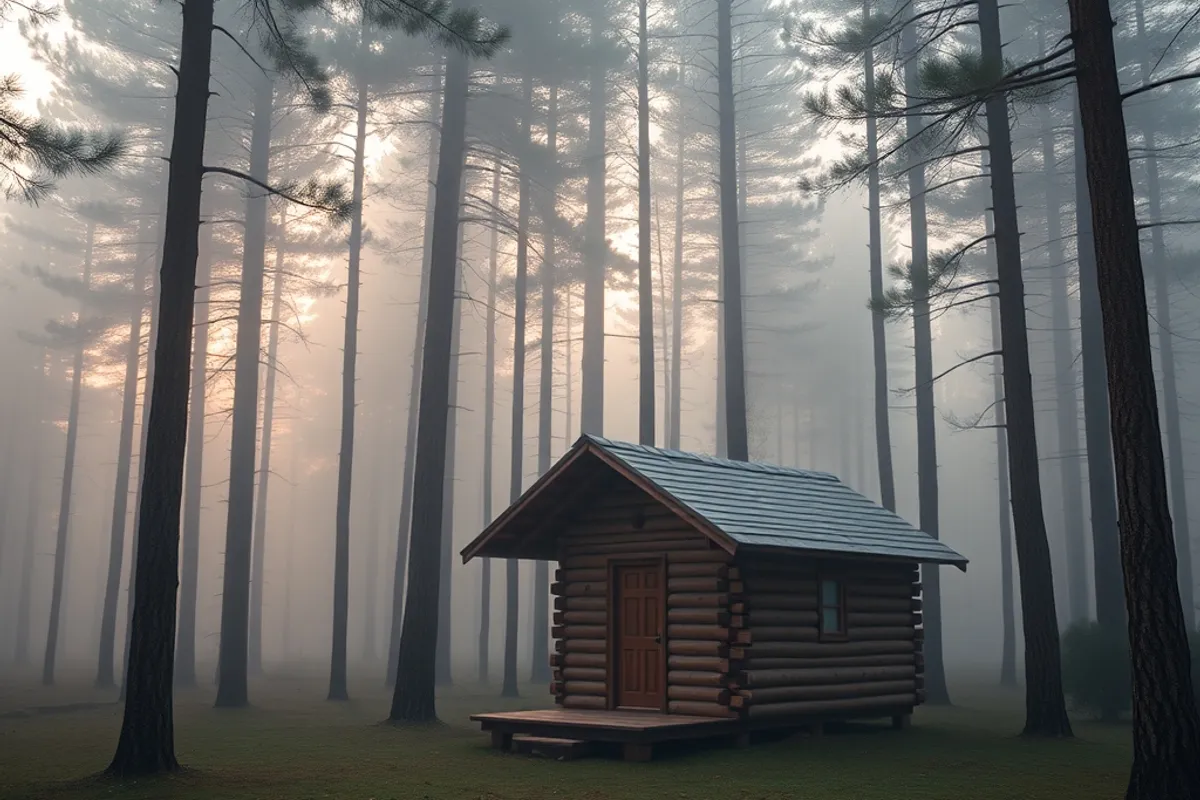
A forest silence retreat is built around quiet, slow walks and long stretches without conversation or screens. The schedule is light: a morning walk, a simple meal, an afternoon rest and an evening talk or meditation. It suits people who are exhausted rather than unfit, and it is usually the cheapest structured style because it needs little equipment.
The trade-off is that silence can be uncomfortable before it becomes restful. Check whether talking is optional or forbidden, and whether there is any one-to-one support if the week feels too intense. A remote location is part of the point, but confirm the transfer and the mobile signal before you arrive.
Coastal thalassotherapy: sea water and a proper routine
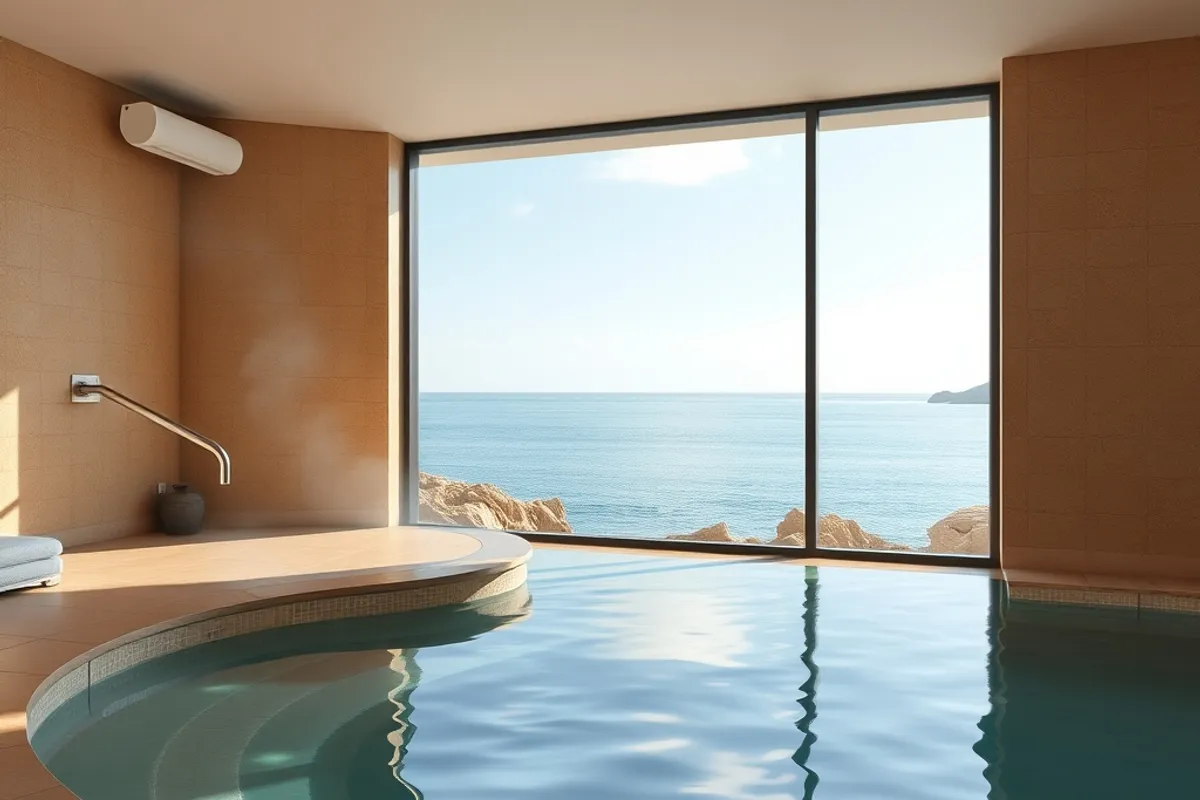
Coastal thalassotherapy uses heated sea water, marine treatments and a clinic-like routine. The best versions include a medical intake, a set number of treatments and time between them to rest. It suits people with a specific goal, such as recovery, sleep or joint pain, and it usually works best as a five- or six-day programme rather than a weekend.
Ask whether treatments are supervised by qualified staff, what the maximum group size is and whether the seawater is filtered and heated on site. The cost adds up quickly, so compare the included treatments rather than the room category. A sea view is pleasant; a well-run treatment plan is the reason to go.
Mountain hiking reset: movement with a purpose
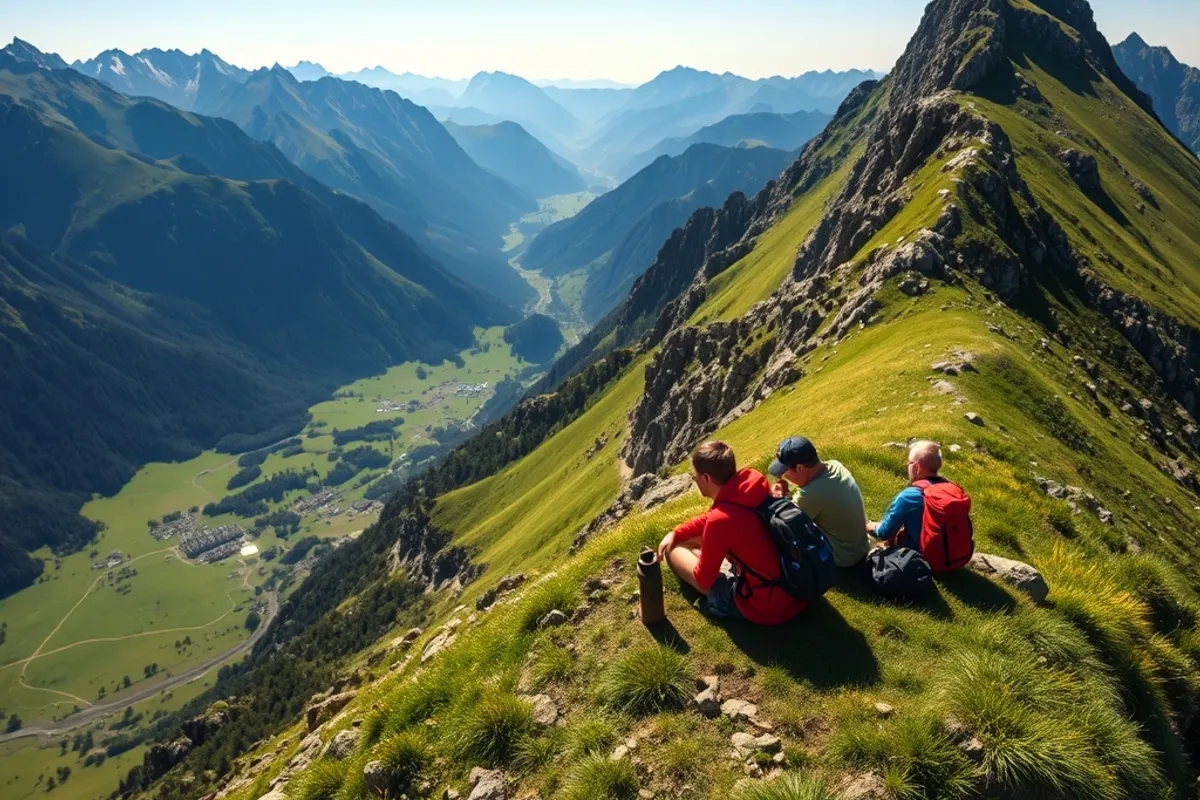
A hiking reset combines daily walks with rest, good food and a quiet base. The distances should be published, along with the elevation and the type of terrain. A week that promises a reset but schedules twenty kilometres a day is a fitness camp, not a rest. The best programmes offer two route lengths each day so different abilities can stay in the same group.
Check the guide ratio, the weather plan and what happens if a pass is closed. Boots and layers matter more than spa clothes. The reward is deep sleep and a clear head, but only if the walking matches your current fitness rather than an imagined version of it.
City spa weekend: rest without a regime
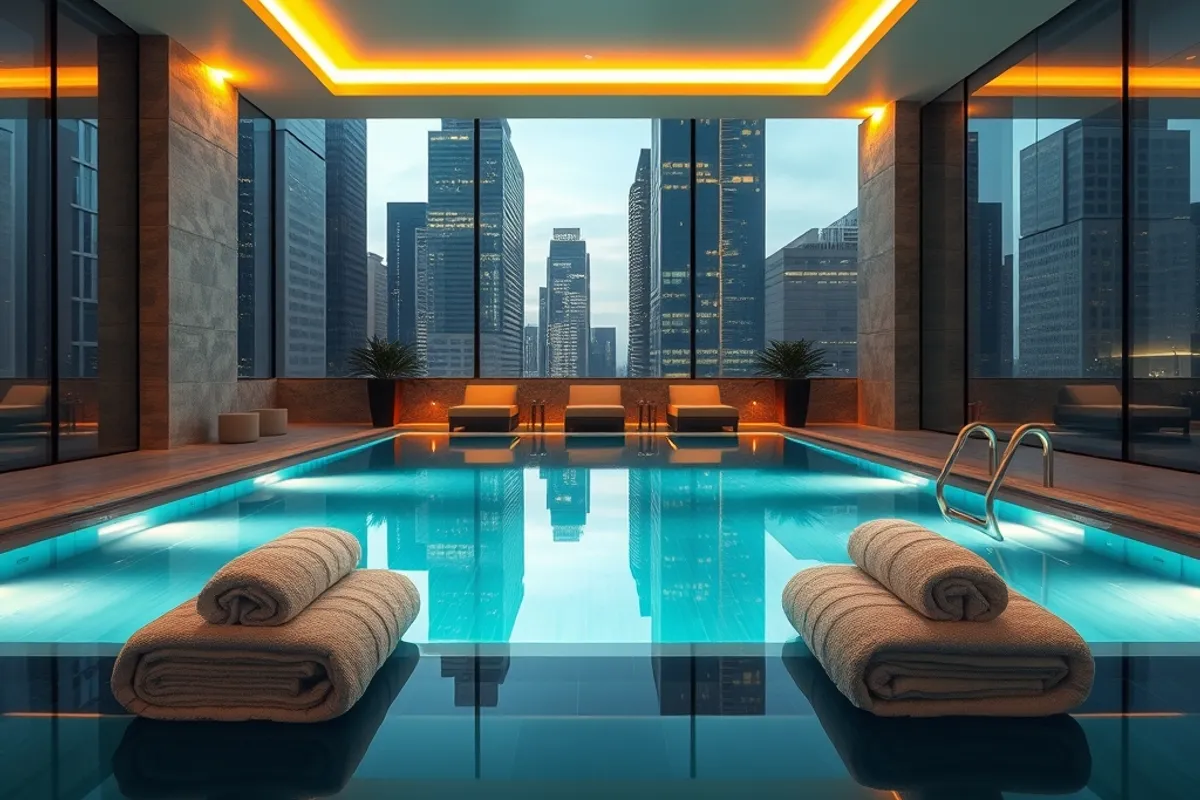
A city spa weekend is the right choice when you want a comfortable room, a pool, one or two treatments and no programme to follow. It works well for a short break, a couple or a solo traveller who wants privacy without a group. The risk is paying retreat prices for facilities that are open to day guests and busy at weekends.
Ask when the pool and sauna are quietest, whether treatments are included and whether the hotel sells day passes. A spa hotel with a strong local membership can feel less restful than its photographs suggest. Book a treatment for the first evening, then leave the rest of the weekend open.
Yoga and sleep: a gentle structured week
A yoga and sleep retreat should be honest about what it treats. Two classes a day, a consistent bedtime and a quiet room can genuinely improve sleep for some people, but it is not a cure for a sleep disorder. Look for teachers with a credible training and a schedule that includes restorative practice rather than only vigorous flows.
Check whether the rooms are dark, cool and away from the road, and whether the evening programme ends early enough to wind down. A week that runs until ten at night and starts at six is not a sleep retreat. Ask about caffeine and alcohol policies if those are part of your normal routine.
Digital detox: a clear phone rule
A digital detox is only useful if the property enforces it. Ask where phones are allowed, whether there is a locked box and how staff handle guests who ignore the rule. A retreat that advertises a detox but provides strong Wi-Fi in every room is selling a suggestion, not a programme.
The first two days can feel restless, so a light schedule and outdoor time help. Bring a watch, a paper book and a printed transfer confirmation. If you need to be reachable for family reasons, tell the property in advance and agree a daily check-in window rather than pretending you will stay offline.
Thermal springs: simple, social and affordable
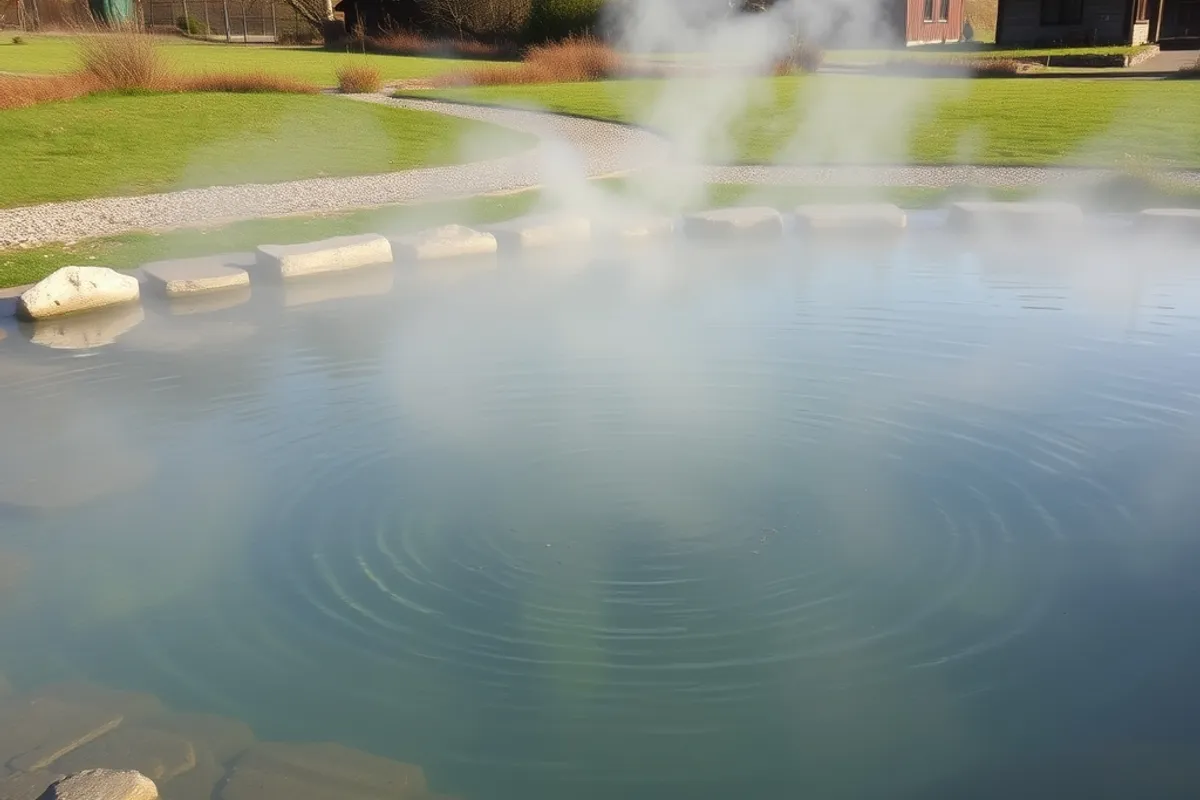
Thermal spring towns offer a low-key version of wellness: hot pools, steam rooms, walks and simple local food. They are often cheaper than a formal retreat and easier to fit into a longer trip. The best ones have a mix of public baths and a quiet hotel with its own pool, so you can choose between atmosphere and privacy.
Check the water temperature, the rules on swimwear and whether the baths are mixed. Some springs are better for a short visit than a week, especially in high season when day-trippers arrive. Book a hotel within walking distance and go early or late, when the pools belong to the people staying nearby.
How to compare and what to skip
Compare the programme, the included treatments, the group size and the quiet rules before you compare the price. A cheap retreat with a packed schedule and a shared room can cost more in exhaustion than a simpler week with one clear goal. If you are unsure, book three nights before committing to seven.
For the booking checklist, read our wellness retreat planning guide. If you want to pair the week with a quiet rural base, the countryside stays guide covers the access and food details that matter.