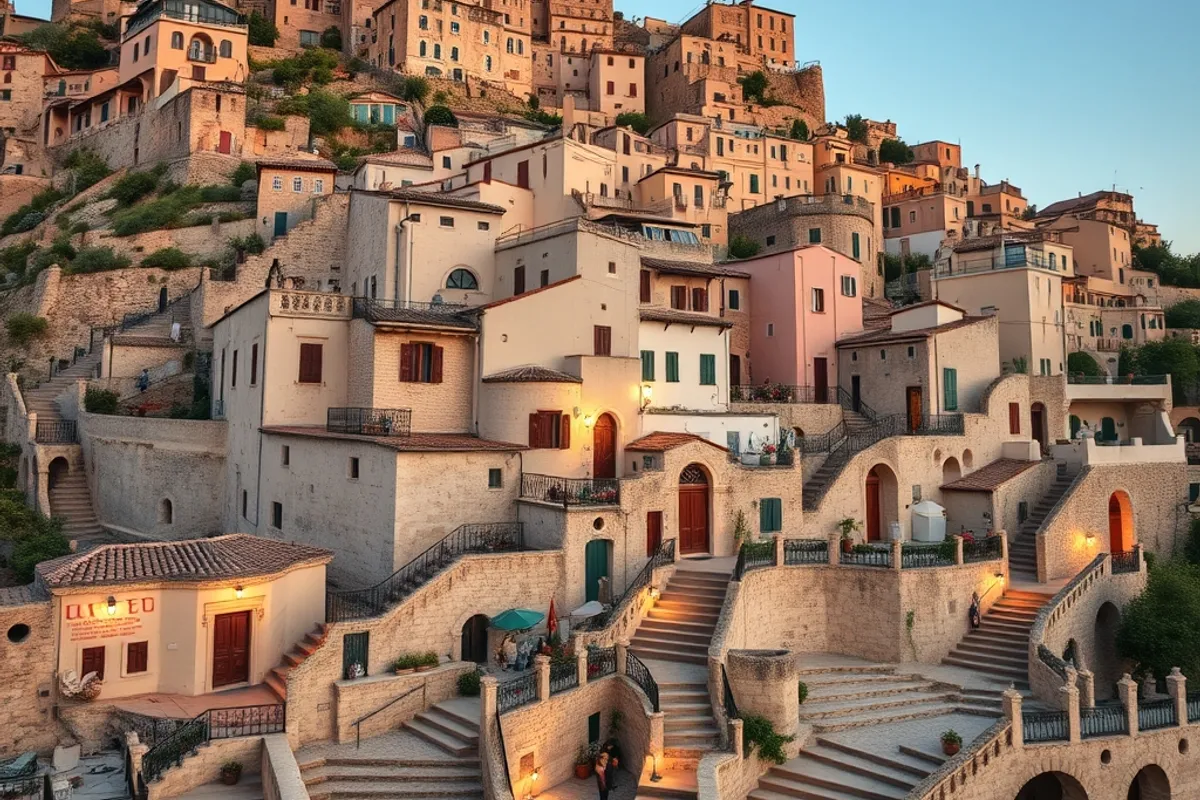
A food escape is not a list of famous restaurants. It is a short trip built around a market, an ingredient, a regional kitchen or a meal worth travelling for. The planning is different from a city break: the days of the week matter more, the best meals are often at lunch, and one booked dinner can shape the whole budget. This guide is the process I use before booking.
Choose a town with a food reason
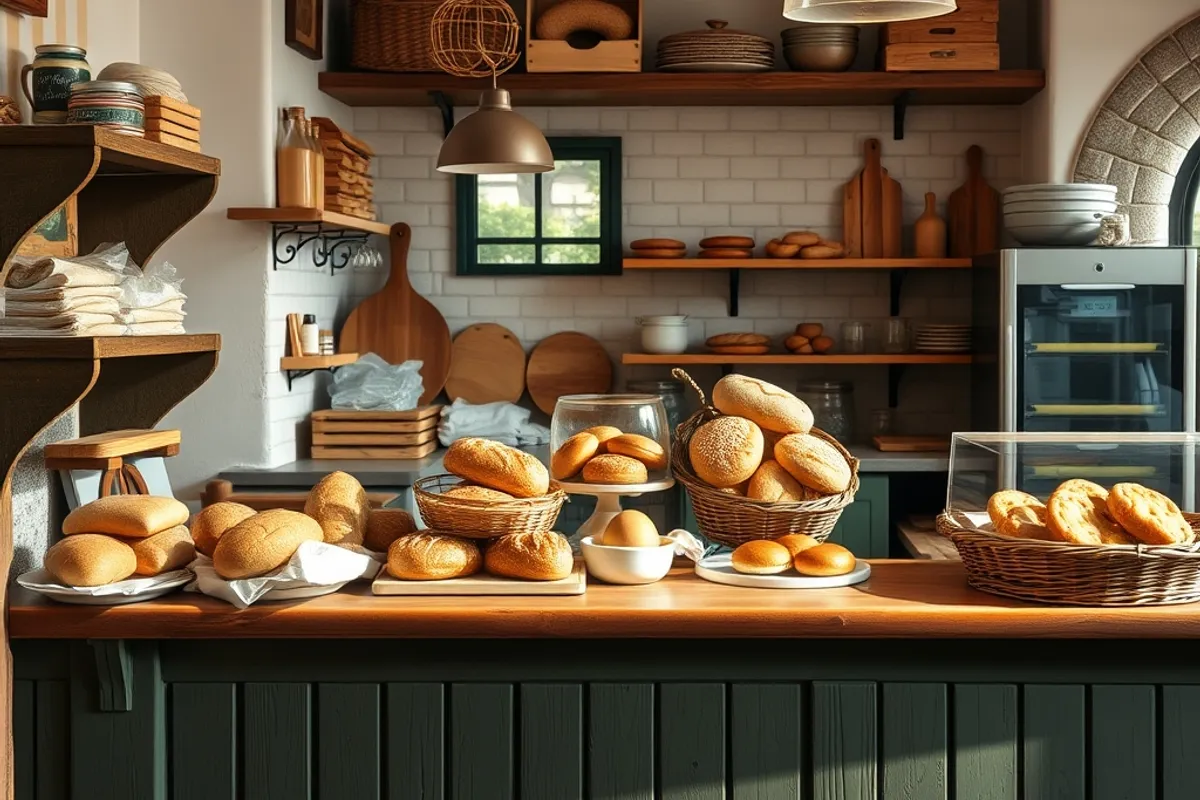
Look for a market, a regional ingredient, a cooking tradition and enough local eaters to keep prices honest. A town with one celebrated chef and no market is a day trip, not a week. A town with a weekly market, a good bakery and a few family kitchens is a better base even if it never appears on a food list.
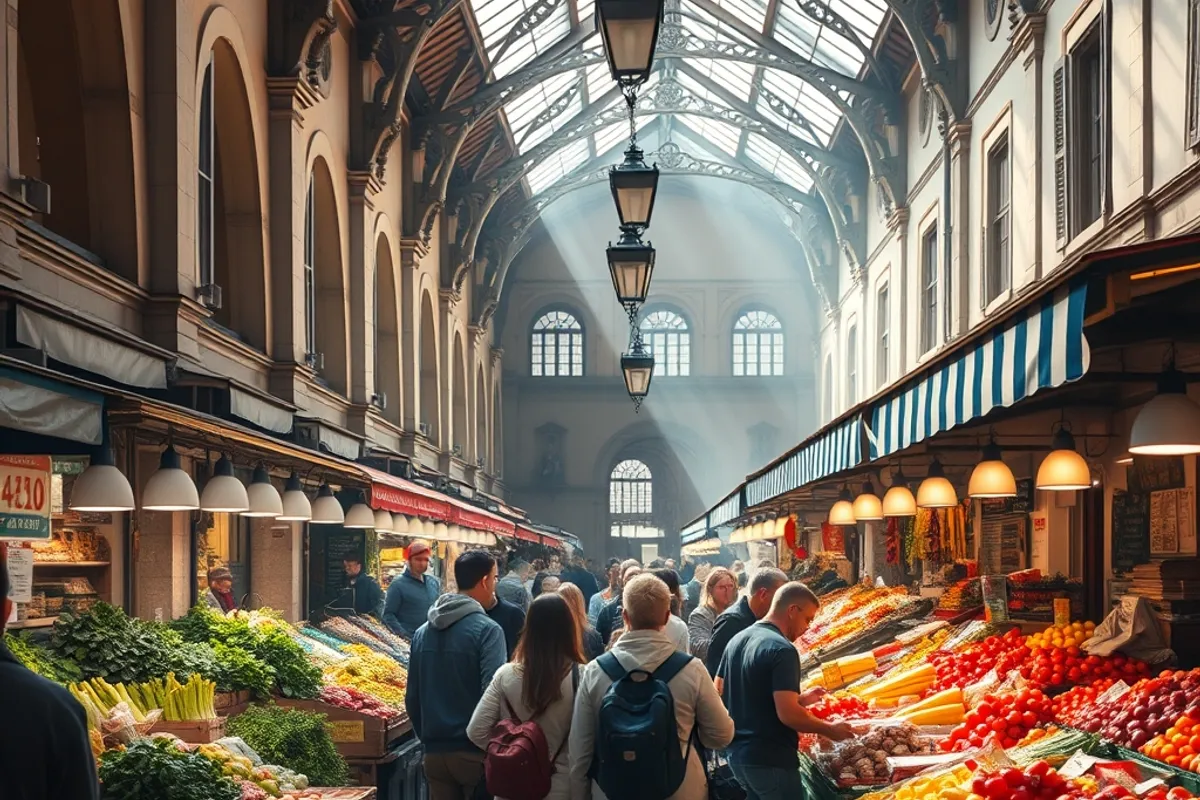
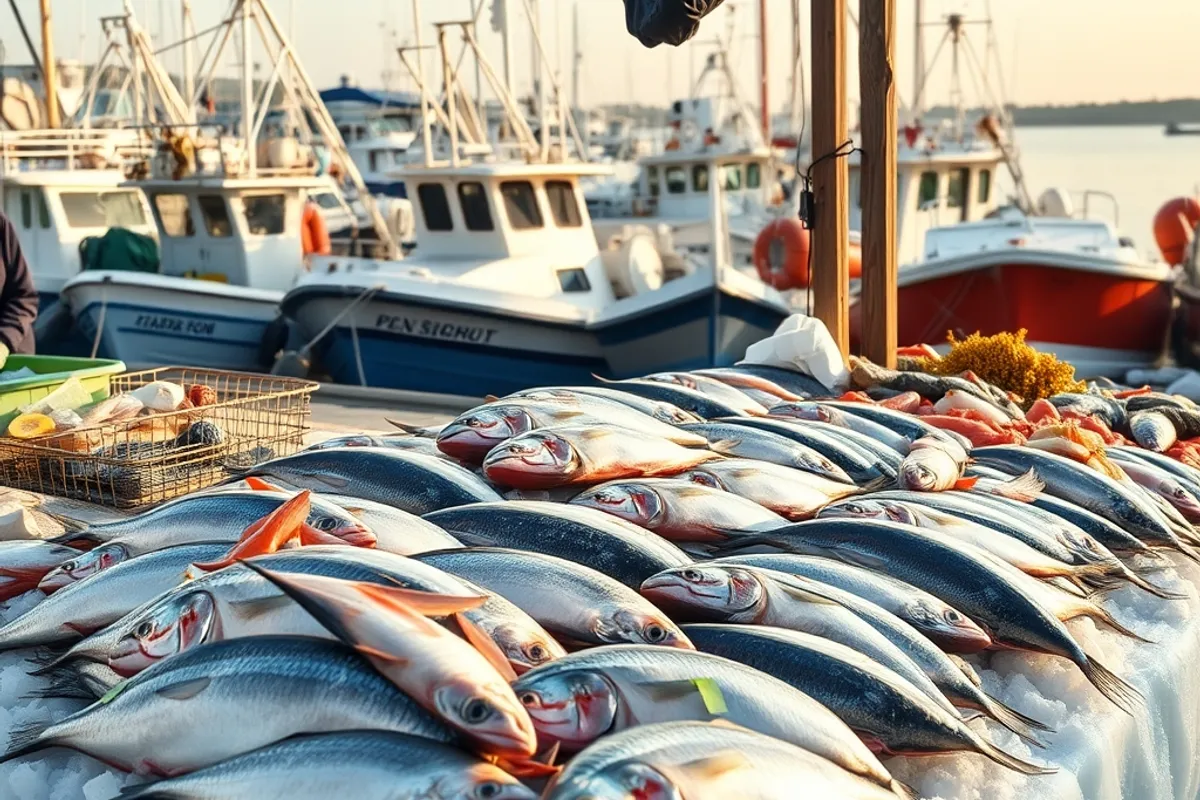
Check the market days before you book. Arriving on the wrong morning can remove the best part of the plan, and some markets are better for produce while others are better for cooked food. Ask what is in season during your dates, because a dish that defines the region in October may be absent in June.
Book the one meal that matters
One dinner can justify the trip, but only if it fits the budget and the mood. Book it early, especially for a weekend, and keep the rest of the week loose: a bakery breakfast, a market lunch and a simple dinner near the hotel. That balance protects the budget and avoids turning every day into a reservation.
Read the cancellation terms. The best tables often require a card and charge for a late cancellation, which is fair but should be planned for. If you are travelling with someone who does not drink, check whether the tasting menu has a non-alcohol pairing or whether you can order a shorter menu. A good restaurant will answer these questions before you book.
Read the menu before you arrive
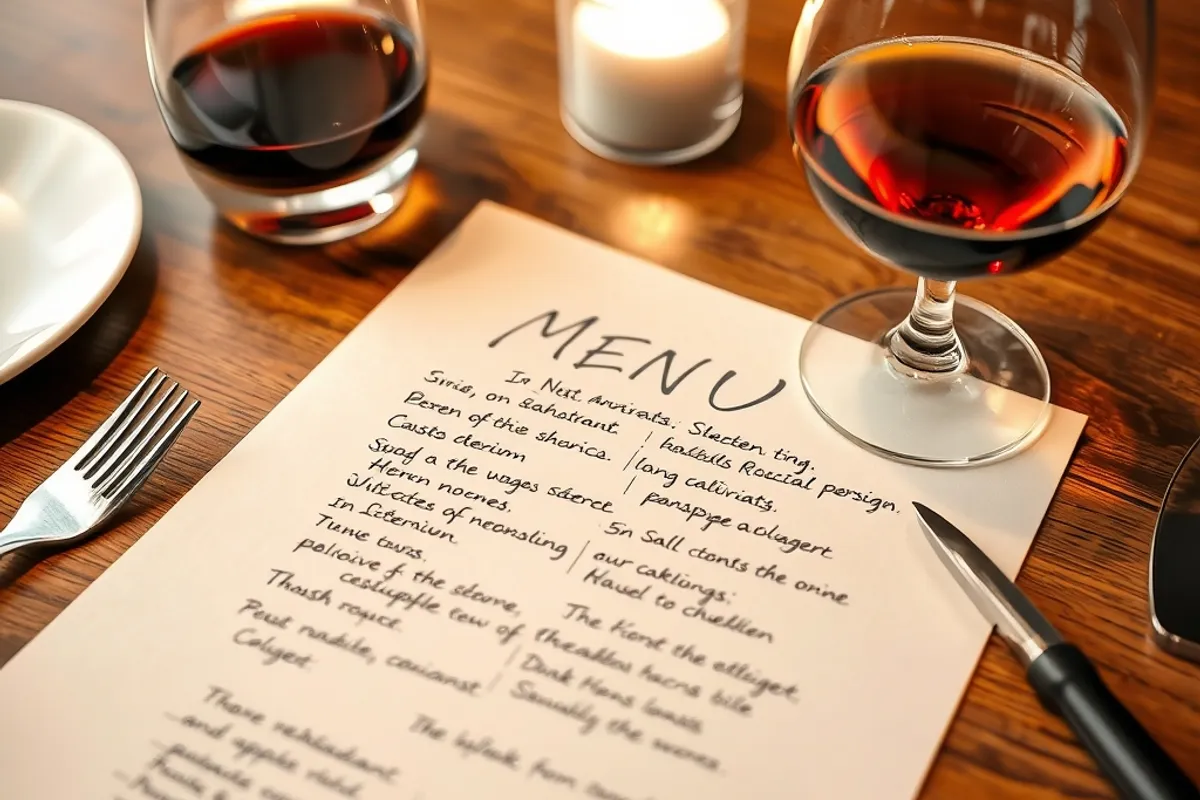
Menus are a planning tool. Look for the size of the portions, the number of courses and whether the food is designed for sharing. A tasting menu with twelve courses sounds generous until you realise you will spend three hours at the table. A short menu with local ingredients is often the better meal.
Check the language and the translation. A dish described as a local speciality may contain an ingredient you do not eat, and a polite question in advance is easier than a difficult conversation at the table. If the restaurant only publishes a sample menu, ask for the current one by email.
Markets, lunch and the rhythm of the day
In food towns, lunch is often the main event. Market stalls close early, kitchens sell out and the best produce is gone by noon. Plan the day around the market and a long lunch, then eat lightly in the evening. This rhythm is cheaper, more local and usually more memorable than a second heavy dinner.
Carry cash for small stalls and a bag for anything you buy. Ask before photographing people or produce, and do not handle food unless invited. A market is a workplace first and a visitor attraction second, and the best experience comes from behaving like a polite customer rather than a tourist with a camera.
Dietary needs and special requests
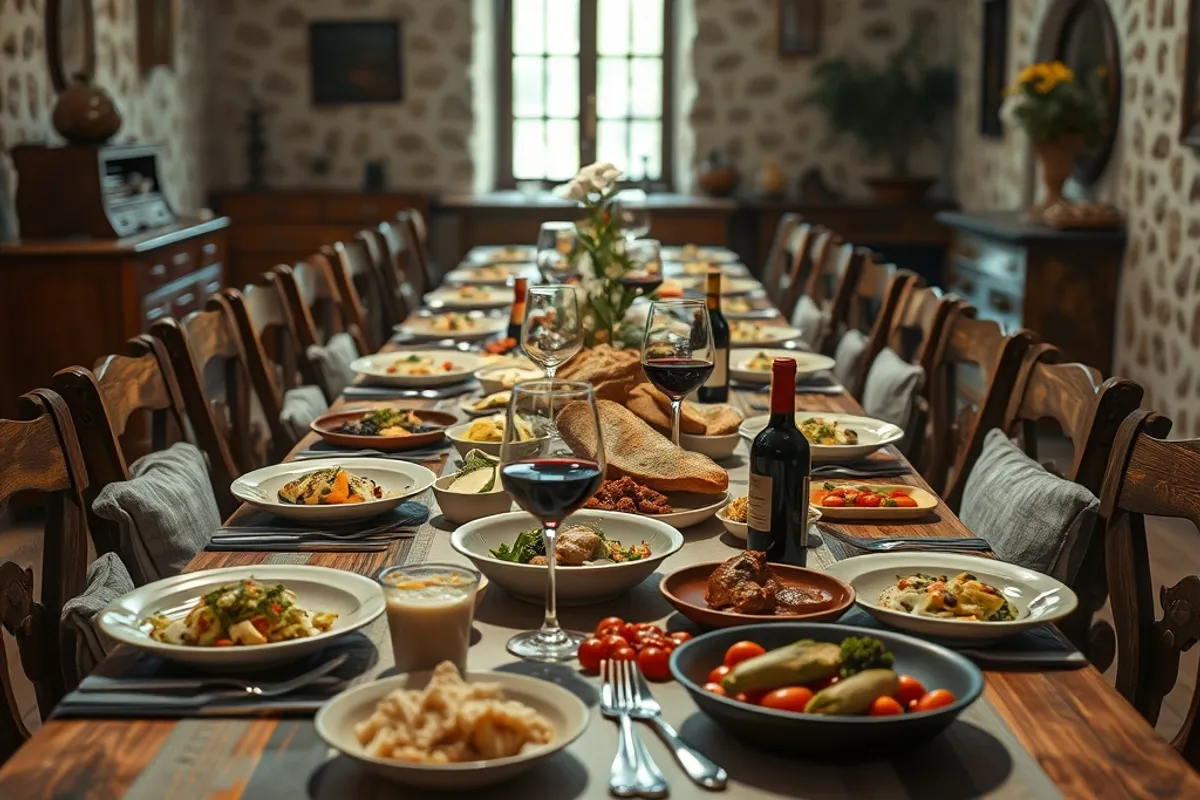
Tell the restaurant in advance, not at the table. Most kitchens can adapt a menu with notice; very few can rewrite a tasting menu at the last minute. If you have a serious allergy, confirm the kitchen understands cross-contamination and ask whether they can guarantee a safe dish. A polite email is better than a hopeful conversation.
For vegetarian and vegan travellers, look for a town with a vegetable tradition rather than a list of specialist restaurants. Markets, bakeries and simple trattorias often adapt more easily than a formal dining room. Carry a translation card for the ingredients you must avoid, and check it with the server before ordering.
Costs, tips and the honest budget
Food budgets are easier to control when you plan one paid experience a day. A market breakfast, a simple lunch and one dinner with wine can cost less than three restaurant meals, and it gives you more time outside. Add a small reserve for the cheese, the bakery stop and the coffee you did not plan.
Check whether service is included and what the local tipping habit is. In some countries a cover charge is normal; in others it is a tourist trap. Ask before you sit down if the menu is unclear, and keep the receipt if you need to claim an expense. A food trip is more enjoyable when the bill holds no surprises.
The best food town is the one where you find a favourite bakery by the third morning and a table you want to return to on the last night.
What I would do differently
I would arrive before the market day, book one dinner and leave the rest to the bakery and the lunch menu. I would also ask the hotel for the local dish rather than the tourist one, and keep one evening free for a return to the place I liked most.
For specific styles, read our best food escapes for 2026. If the trip is part of a longer route, the travel planning order guide explains how to fit food days around transport.